Can You Put Milk in Electric Kettle? Safe or Risky?
Can you put milk in electric kettle? No, you should not put milk in an electric kettle. Milk can burn, stick to the heating element, and cause damage or bad odors. Electric kettles are designed for boiling water only. To heat milk safely, use a saucepan or a specialized milk frother instead.
It’s a question that might pop up when you’re in a hurry to prepare your morning coffee or tea. But is it a good idea? The thought of steaming hot milk in seconds sounds appealing, doesn’t it? Before you make a potentially messy decision, let’s dive into the truth about using your electric kettle for milk.
By the end of this article, you’ll know exactly what to do to keep your kitchen gadgets safe and your milk perfectly heated. Curious? Keep reading to uncover the surprising facts that could save you time and trouble.
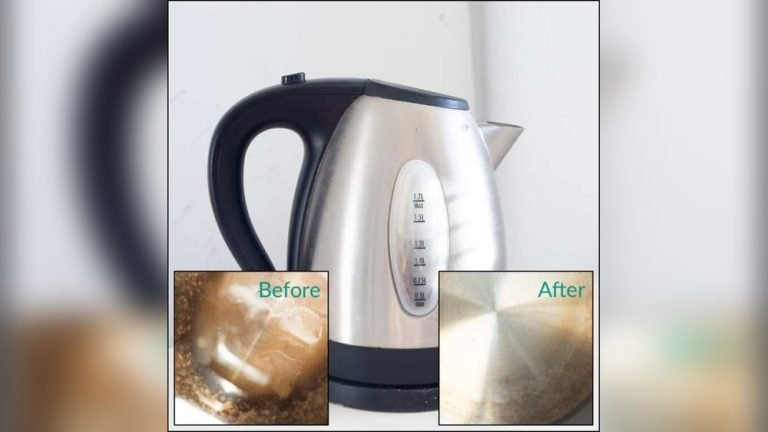
Can You Put Milk in Electric Kettle?

Credit: www.reddit.com
Electric Kettle Basics
Electric kettles are a staple in many kitchens. They offer quick boiling and convenient use. Understanding their basics helps you use them safely.
How Electric Kettles Work
An electric kettle heats water using electricity. A heating element inside warms the water. This process is faster than boiling on a stove.
Common Uses Of Electric Kettles
Electric kettles are used for boiling water. They are perfect for tea, coffee, or instant noodles. Their speed makes them ideal for busy mornings.
Why Water Is Preferred In Kettles
Water is safe for kettles. It doesn’t damage the heating element. Milk can cause residue and affect performance.
Potential Risks Of Boiling Milk
Boiling milk in kettles can lead to spills. It may clog the spout and damage the kettle. This can shorten the kettle’s lifespan.
Tips For Safe Use
Use only water in your kettle. Clean it regularly to prevent build-up. Follow the manufacturer’s instructions for best results.
Milk And Its Properties
Milk is a staple in many households. People use it for cooking, baking, and drinking. Understanding its properties is crucial, especially when using appliances like electric kettles.
Understanding Milk Composition
Milk is mostly water. It contains proteins, fats, and lactose. These components behave differently when heated. This is important for kettle use. Proteins can stick to surfaces. Fats may separate. Lactose adds sweetness.
Heat Sensitivity Of Milk
Milk is sensitive to heat. Boiling milk leads to changes. Proteins can denature. Fats can separate. This affects taste and texture. Electric kettles heat quickly. Milk may not handle this well.
Milk’s Boiling Point
Milk boils at a higher temperature than water. It boils around 212°F (100°C). This is crucial for kettle use. Boiling can cause overflow. It may damage the kettle. Milk needs careful heating.
Milk Safety Concerns
Boiling milk in kettles has safety risks. Milk can overflow. It might cause burns. It can damage the appliance. Cleaning may be difficult. Consider these factors before using a kettle.
Potential Risks Of Heating Milk
Heating milk in an electric kettle may cause residue buildup and affect taste. Milk’s proteins can scorch, leading to burnt flavor. Electric kettles are designed for water, not dairy products, which can complicate cleaning.
Heating milk in an electric kettle seems convenient. But it’s not without risks. Milk behaves differently than water. Understanding these risks is crucial. It ensures safety and avoids damage to your kettle.
Risk Of Burnt Milk
Milk can burn easily. It contains proteins and sugars. These stick to surfaces when heated. The kettle’s heating element is no exception. Burnt milk leaves a stubborn residue. Cleaning it is difficult and time-consuming.
Damage To The Electric Kettle
Milk is thicker than water. It does not boil like water. This can damage the kettle. Milk can overflow. It can seep into electrical components. This causes malfunctions. Sometimes, the kettle stops working altogether.
Unpleasant Smell And Taste
Burnt milk leaves a lasting smell. It affects the taste of liquids boiled afterward. Even thorough cleaning might not remove it completely. This affects your tea or coffee. It might taste strange or unpleasant.
Potential Fire Hazard
Milk can cause overheating. The residue can block heat sensors. This prevents the kettle from switching off. The kettle may overheat. It poses a fire risk. Always ensure proper functioning before use.
Hygiene Concerns
Milk residue encourages bacterial growth. Warm environments are ideal for bacteria. This is a health risk. Regular cleaning is necessary. Avoid heating milk to maintain hygiene. `

Credit: www.youtube.com
Safe Alternatives For Heating Milk
Many wonder about heating milk in an electric kettle. This method seems convenient but isn’t safe. Electric kettles are designed for water. Milk can damage them. It may cause safety hazards too. Fortunately, there are safer ways to heat milk. Let’s explore some alternatives.
1. Stovetop Saucepan
The stovetop is a classic choice. Use a saucepan to heat milk gently. Keep the heat low to prevent burning. Stir occasionally to avoid sticking. This method preserves milk’s flavor and texture.
2. Microwave Oven
The microwave offers speed and convenience. Pour milk into a microwave-safe container. Heat in short intervals, stirring in between. This prevents overheating and ensures even heating.
3. Double Boiler Method
A double boiler is ideal for gentle heating. Place a pot of water on the stove. Set a bowl with milk over the pot. Heat slowly to avoid direct contact with heat. This method is gentle and effective.
4. Milk Frother
Milk frothers aren’t just for coffee. They can heat milk too. Pour milk into the frother and turn it on. It heats and froths milk simultaneously. This is perfect for lattes and cappuccinos.
5. Slow Cooker
The slow cooker provides a hands-off approach. Pour milk into the slow cooker. Set it to a low setting. Stir occasionally to ensure even heating. This method is perfect for large quantities.
Tips For Cleaning After Milk Use
Electric kettles are incredibly convenient for boiling water quickly, but when it comes to heating milk, they can be a bit tricky. Milk tends to leave a residue and can cause a mess if not cleaned properly. If you’ve ever tried cleaning after using milk in your kettle, you know it’s not as straightforward as rinsing it out. Proper cleaning is crucial to avoid any unpleasant odors or bacterial growth. Let’s dive into some practical tips for keeping your kettle spotless after using milk.
Why Cleaning Matters
Cleaning your kettle after using milk is essential for maintaining its functionality and hygiene. Milk residue can cause unwanted smells and even affect the taste of your next brew. Neglecting cleaning can lead to build-up, which may be harder to remove later. A clean kettle also ensures you avoid any bacterial contamination.
Quick Rinsing Techniques
Start by immediately rinsing your kettle with warm water after you’ve poured out the milk. This helps remove the majority of the residue before it dries up. Swirl the water around to reach all the corners, and pour it out. If you have a detachable lid, make sure to rinse that separately.
Effective Use Of Vinegar
Vinegar is a fantastic natural cleaner. Mix equal parts vinegar and water, pour it into the kettle, and let it sit for about 20 minutes. Vinegar helps break down any remaining milk residue. Afterward, rinse thoroughly with fresh water to remove any vinegar smell.
Baking Soda Magic
Baking soda is another useful agent for cleaning. Sprinkle a tablespoon of baking soda inside the kettle, add a little water, and scrub gently with a soft sponge. This combination not only cleans but also deodorizes your kettle. Make sure to rinse well to avoid any gritty texture.
Avoiding Abrasive Materials
While it might be tempting to use steel wool or a hard brush, avoid abrasive materials. These can scratch the surface of your kettle, making it harder to clean in the future. Opt for soft sponges or cloths that won’t damage the kettle’s interior.
Regular Deep Clean Sessions
Consider scheduling regular deep cleans, even if you don’t use your kettle for milk often. This helps maintain the kettle’s performance and extends its lifespan. Deep cleaning can be done monthly using vinegar or baking soda methods. It’s a small effort with big rewards.
Have you ever wondered if you’re cleaning your kettle correctly? Take a moment to reflect on your routine and see if these tips could make it easier and more effective. Keeping your kitchen appliances clean not only ensures better taste but also a healthier environment.

Credit: www.reddit.com
Frequently Asked Questions
Is It Safe To Boil Milk In An Electric Kettle?
Boiling milk in an electric kettle is not recommended. Milk can overflow and damage the kettle. Instead, use a pot on the stove for safety. Electric kettles are designed for water, not milk.
Can I Warm Up Milk In My Electric Kettle?
Warming milk in an electric kettle is not recommended. Milk can scorch and leave residue, affecting taste. Use a stovetop or microwave for better results.
Can You Put Milk In An Electric Kettle Reddit?
It’s not recommended to boil milk in an electric kettle. Milk can cause residue buildup, damaging the kettle. Use a pot on the stove instead for safe heating. Electric kettles are designed for water, and cleaning milk residue can be challenging.
Always follow manufacturer guidelines for proper usage.
Conclusion
Using milk in an electric kettle poses risks. It can damage the appliance. Milk might burn and stick inside. This leads to unpleasant smells and hard cleaning. Safety concerns arise too. Boiling milk can spill over, causing electrical hazards. It’s best to use the kettle for water only.
For heating milk, use a stove or microwave. These methods are safer and more efficient. Protect your kettle. Avoid damage and potential dangers. Make the right choice for your kitchen. Keep your appliances in good condition. Stay safe and enjoy your drinks worry-free.
Read More