How to Clean a Water Kettle? Quick and Easy Tips
How to clean a water kettle? To clean a water kettle, fill it halfway with equal parts water and white vinegar, then boil. Let it sit for 15–20 minutes, discard the solution, and rinse thoroughly. For stubborn buildup, scrub with baking soda and a soft brush. Rinse again before using.
Imagine sipping your morning tea or coffee with the assurance that your kettle is not only efficient but also sparkling clean. You might not realize it, but your trusty water kettle can harbor mineral deposits and bacteria if not maintained properly.
This can affect the taste of your drinks and, more importantly, your health. You deserve a flawless start to your day, and that begins with a clean kettle. In this guide, you’ll discover simple, effective steps to ensure your kettle stays in top-notch condition.
Get ready to unlock the secrets of a fresh and hygienic kettle. Your daily brews will thank you for it!
How to Clean a Water Kettle?
Materials Needed
Gather a soft cloth, white vinegar, water, and a brush for cleaning. These items will help remove limescale efficiently. Ensure the kettle is unplugged and cooled before starting.
Cleaning a water kettle might seem like a straightforward task, yet many overlook the importance of using the right materials. The right tools can make the process efficient and ensure your kettle stays in top shape. Using the wrong materials could lead to damage or ineffective cleaning.
White Vinegar
White vinegar is a household staple that works wonders on limescale. Its acidic nature breaks down the deposits effectively. Do you have a bottle tucked away in your pantry?
Lemon Juice
Lemon juice is another natural cleaner that leaves a fresh scent. It’s perfect for those who prefer a citrusy aroma over vinegar’s strong smell. A squeezed lemon or bottled juice works equally well.
Baking Soda
Baking soda is your go-to for tough stains and residue. Mixing it with water creates a gentle abrasive paste. This is especially handy if your kettle has stubborn spots.
Soft Cloth Or Sponge
A soft cloth or sponge is essential to avoid scratching the kettle’s surface. Make sure it’s non-abrasive to maintain the kettle’s shine. Do you have a favorite cleaning cloth you rely on?
Water
Plain water is crucial for rinsing away cleaning agents. Ensure you rinse thoroughly to avoid any lingering tastes. A couple of rinses should do the trick.
Measuring Cup
A measuring cup helps in getting the right proportions of vinegar or lemon juice. Accuracy ensures effective cleaning. It might seem trivial, but precision can make a difference.
Toothbrush
An old toothbrush can reach into the kettle’s nooks and crannies. It’s perfect for scrubbing around the spout and lid. Have you ever thought of repurposing your old toothbrushes this way? Gathering these materials beforehand can streamline your cleaning process. With the right tools at your disposal, cleaning becomes less of a chore and more of a routine maintenance task. What materials do you find indispensable for cleaning your kettle?

Credit: garlicdelight.com
Preparing The Kettle
Preparing your water kettle for cleaning is an essential first step. Proper preparation ensures efficient cleaning and prolongs the kettle’s lifespan. Begin by unplugging the kettle from the power source. This prevents accidents and ensures safety during cleaning.
Remove The Lid
Start by taking off the lid. This allows easy access to the kettle’s interior. Removing the lid also helps in thoroughly cleaning the spout area.
Empty The Kettle
Pour out any remaining water. Make sure the kettle is completely empty. This ensures you can clean the inside effectively.
Check The Filter
Inspect the filter for any build-up. If it is removable, take it out. This lets you clean the filter separately for better results.
Gather Cleaning Supplies
Prepare your cleaning materials. You will need vinegar, baking soda, and a soft cloth. These items are gentle yet effective for cleaning.
Ensure Ventilation
Open a window or turn on a fan. This helps eliminate any strong vinegar smell. Proper ventilation makes the process more comfortable.
Descaling Methods
Cleaning a water kettle involves simple descaling methods to remove mineral buildup. Vinegar or lemon juice mixed with water works effectively. Boil the solution, let it sit, and rinse thoroughly. Regular maintenance ensures a kettle free of limescale, promoting better taste and efficient heating.
Descaling Methods Keeping your water kettle free from limescale is essential for its longevity and performance. Over time, minerals in water can build up, leaving unsightly deposits that affect taste and efficiency. Luckily, descaling is a simple process. Let’s explore two effective methods that make use of common kitchen ingredients.
Using Vinegar
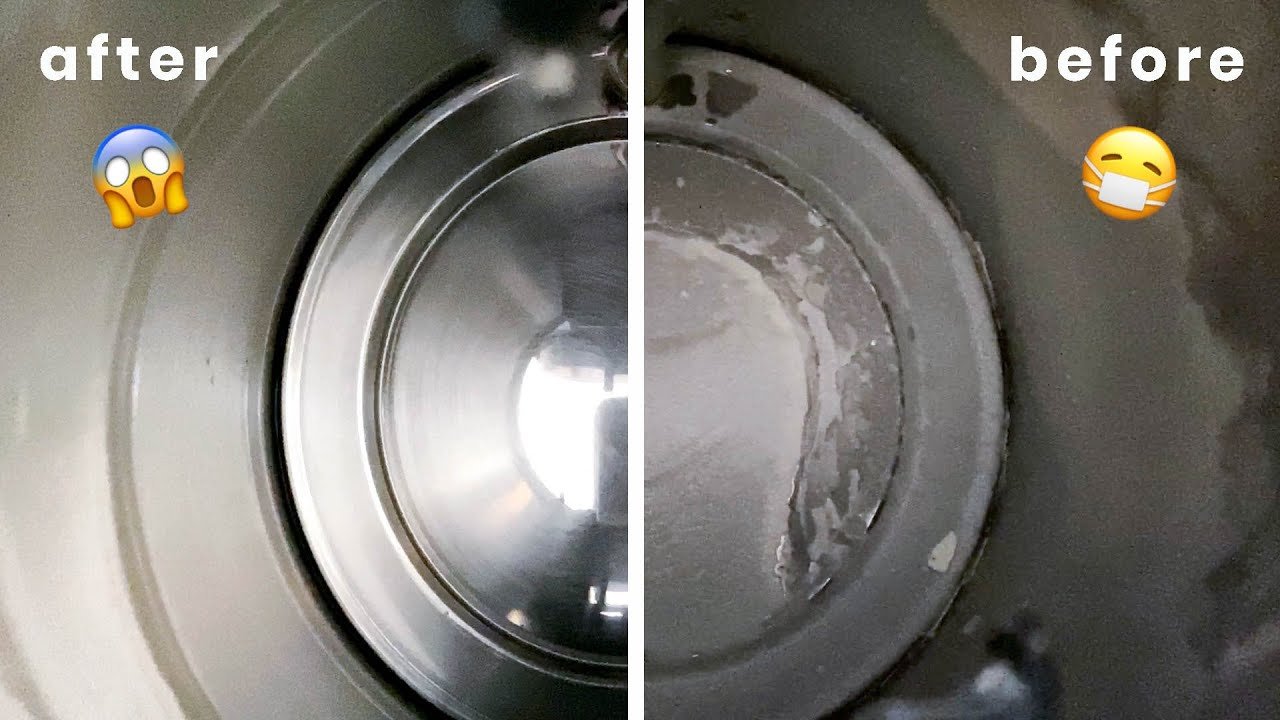
White vinegar is a popular choice for descaling. It’s affordable and likely already sitting in your pantry. Start by filling your kettle halfway with equal parts water and white vinegar. Turn on the kettle and let it bring the solution to a boil. Once it’s boiled, let the mixture sit for about 15-20 minutes. Afterward, pour it out and rinse the kettle thoroughly with fresh water. This removes the vinegar smell and any remaining limescale. You might be surprised at how sparkling clean your kettle looks after this simple treatment.
Using Lemon Juice
If vinegar isn’t your cup of tea, lemon juice offers a fresh-smelling alternative. Fill your kettle with water and add the juice of two lemons. You can also toss in some lemon slices for extra zest. Boil the water and let it sit for 30 minutes. The citric acid in lemons naturally breaks down mineral deposits. Once time is up, discard the water and rinse the kettle well. You’ll be left with not just a clean kettle, but a refreshing lemony aroma. Which method suits your style? Both are effective, but you might find one fits more seamlessly into your routine. Descaling regularly keeps your kettle in top shape and ensures your morning brew tastes just right. Give it a try and enjoy the benefits of a well-maintained kitchen appliance.

Credit: www.wikihow.com
Cleaning The Exterior
Keeping the exterior of your water kettle clean ensures it looks new. A well-maintained kettle adds charm to your kitchen. It also extends the kettle’s lifespan. Dust and grime can accumulate over time. Cleaning the exterior regularly helps prevent this.
Use A Soft Cloth
Begin with a soft, damp cloth. This prevents scratches on the kettle’s surface. Gently wipe down the entire exterior. Make sure to reach every corner. A microfiber cloth works best for this task.
Apply Mild Soap Solution
Mix a mild soap with warm water. Dip your cloth in this solution. Avoid using too much water. Wipe the kettle’s exterior again. This removes any stubborn stains or spots.
Dry With A Clean Towel
After cleaning, use a dry towel. Pat the kettle dry thoroughly. This prevents water spots from forming. Ensure no moisture remains on the surface.
Polish For Shine
Use a stainless steel polish for a glossy finish. Apply a small amount on a clean cloth. Gently rub the kettle in circular motions. This restores the kettle’s shine. Avoid polishing plastic parts.
Check For Stubborn Stains
Inspect the kettle for any tough stains. Use a vinegar solution for these. Mix equal parts vinegar and water. Dip a cloth in the solution. Gently rub the stained area until clean.
Maintaining Your Kettle
Maintaining your kettle is essential for its longevity and performance. Regular cleaning prevents mineral buildup and ensures safe drinking water. A clean kettle boils faster and saves energy. Neglecting maintenance can lead to unpleasant tastes and odors. Follow these tips to keep your kettle in top shape.
How Often To Clean Your Kettle
Clean your kettle once a month. This prevents mineral deposits from accumulating. Hard water areas may require more frequent cleaning. Regular attention keeps the appliance efficient.
Tools Needed For Cleaning
Gather your cleaning materials before starting. You need white vinegar, baking soda, and a soft cloth. These items are gentle but effective for kettle cleaning. Avoid using harsh chemicals.
Steps For Cleaning The Kettle
Fill your kettle with equal parts water and vinegar. Boil the mixture for a few minutes. Let it sit for 20 minutes. This loosens mineral deposits. Rinse thoroughly to remove the vinegar solution.
Next, make a paste of baking soda and water. Use it to scrub the inside gently. This removes any remaining residue. Rinse with clean water to finish.
Tips For Preventing Future Buildup
Use filtered water to reduce mineral deposits. Empty your kettle after each use. This prevents standing water and minimizes buildup. Regularly wipe the exterior with a damp cloth. These habits keep your kettle clean.

Credit: www.youtube.com
Frequently Asked Questions
How Do You Clean The Inside Of A Kettle?
Fill the kettle halfway with equal parts water and vinegar. Boil the mixture, then let it sit. Rinse thoroughly and wipe the interior with a soft cloth. Repeat monthly to prevent buildup.
Do You Use Baking Soda Or Vinegar To Descale A Kettle?
Use vinegar to descale a kettle. Fill it with equal parts water and white vinegar. Boil, then let it sit for 30 minutes. Rinse thoroughly to remove any vinegar residue. Baking soda isn’t recommended for descaling, but it can neutralize odors after cleaning.
How To Remove Water Buildup From A Kettle?
Descale your kettle by filling it with a mixture of equal parts water and white vinegar. Boil the solution, then let it sit for 30 minutes. Scrub gently with a soft brush, rinse thoroughly, and boil fresh water before use.
Conclusion
Cleaning a water kettle is simple and important. Regular cleaning keeps your kettle working well. It also keeps your drinks tasting fresh. Just follow the easy steps we discussed. Use vinegar or lemon for effective cleaning. Remember to rinse well.
This prevents any leftover taste. Consistent care extends your kettle’s life. A clean kettle also boils water faster, saving energy. Make cleaning your kettle a habit. Enjoy better-tasting tea and coffee every day. It’s a small task with big benefits.
Read More