How to Decalcify a Kettle: Easy Steps for Sparkling Clean Results
Is your kettle taking longer to boil or leaving white flakes in your water? It might be clogged with limescale, a common problem that reduces your kettle’s efficiency and lifespan.
But don’t worry—you can fix this quickly and easily. You’ll learn simple, effective ways to decalcify your kettle at home. Keep reading to discover how to restore your kettle’s performance and enjoy fresh, clean water every time.
Why Kettles Get Calcified
Kettles often get calcified due to minerals in the water. These minerals leave a hard, white layer inside the kettle. Over time, this layer builds up and causes problems. Understanding why kettles calcify helps with proper care and cleaning.
Sources Of Mineral Buildup
Mineral buildup mainly comes from hard water. Hard water contains calcium and magnesium. These minerals stay behind when water boils. As the water evaporates, minerals stick to the kettle’s surface. Tap water is a common source. Some areas have harder water than others. Using filtered or bottled water can reduce buildup.
Effects On Kettle Performance
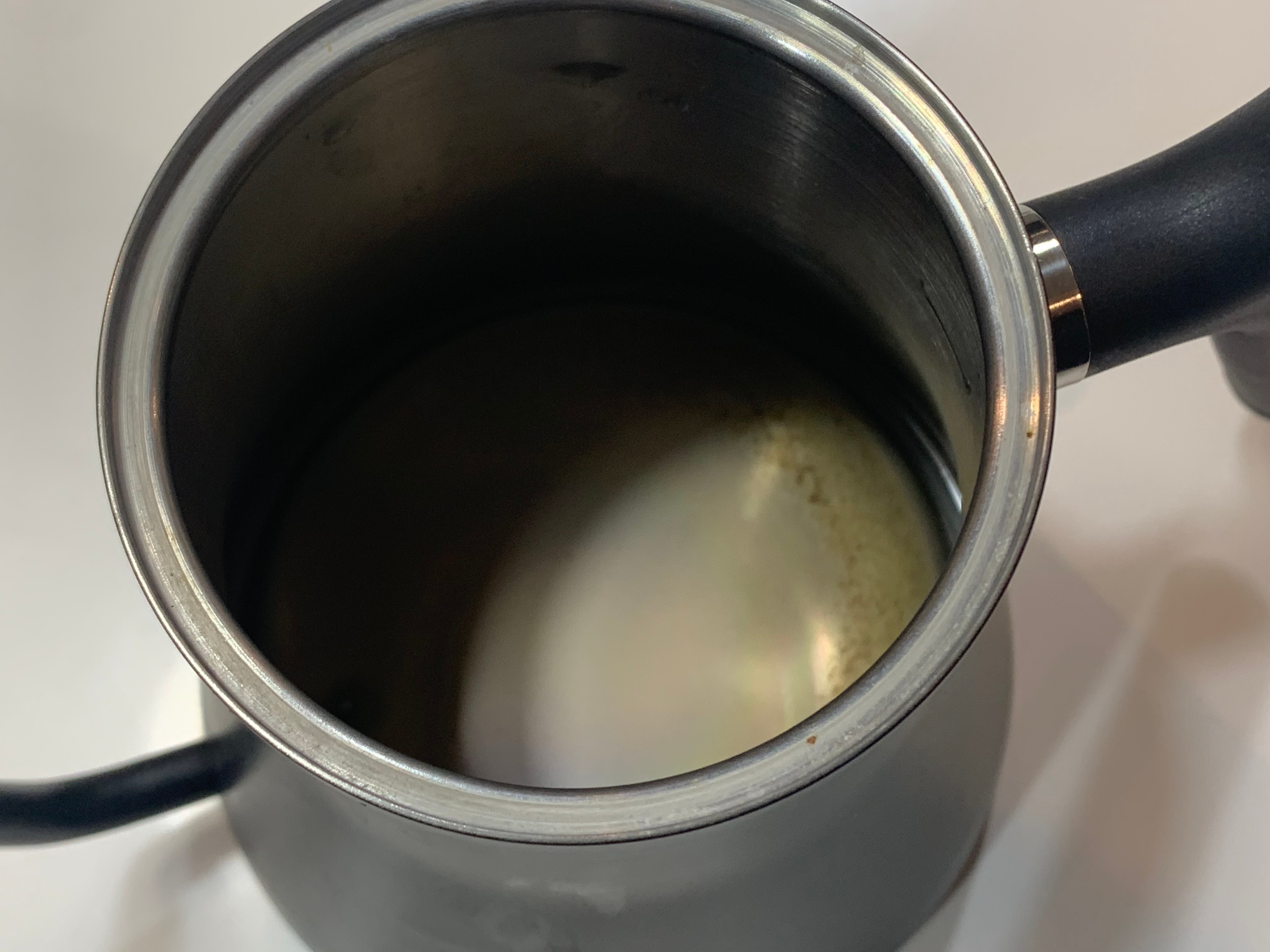
Calcification affects how well a kettle works. The mineral layer slows down heating. This means the kettle takes longer to boil water. It also uses more energy. Over time, buildup can damage the kettle’s heating element. This leads to costly repairs or replacement. A calcified kettle may also give water an off taste.

Credit: garlicdelight.com
Signs Your Kettle Needs Decalcifying
Your kettle works hard daily to boil water quickly and cleanly. Over time, mineral deposits build up inside. These deposits cause problems that you can easily notice. Recognizing the signs helps you know when to decalcify your kettle. Keep your kettle in top shape by watching for these clear signals.
Reduced Heating Efficiency
Your kettle takes longer to boil water than before. This delay means mineral deposits block heat transfer. The kettle uses more electricity to heat the water. You might hear strange noises like popping or crackling sounds. These sounds come from the buildup inside the kettle. Reduced heating efficiency points to the need for decalcifying.
Unpleasant Odors And Taste
Water tastes different or smells odd after boiling. The minerals or scale can affect the water’s flavor. Your tea or coffee may taste bitter or flat. Sometimes a metallic or chemical smell rises from the kettle. These changes happen because of the deposits inside. Unpleasant odors and taste are signs to clean your kettle soon.
Natural Ingredients For Decalcifying
Natural ingredients are simple and safe to use for decalcifying kettles. They help remove limescale without harsh chemicals. These items are often found in kitchens, making them easy to use. Using natural products also protects the environment and keeps your kettle in good shape.
Using White Vinegar
White vinegar is a popular choice for cleaning kettles. It contains acetic acid, which breaks down limescale quickly. Pour equal parts vinegar and water into the kettle. Boil the mixture and let it sit for 30 minutes. Afterward, rinse the kettle several times with clean water. White vinegar removes buildup and leaves no strong smell.
Lemon Juice Benefits
Lemon juice is another natural cleaner for kettles. It has citric acid that dissolves limescale gently. Mix lemon juice with water and boil in the kettle for 10 minutes. Let the liquid cool, then scrub the inside with a soft brush. Rinse well to remove any sour taste. Lemon juice also leaves a fresh, clean scent.

Credit: www.youtube.com
Step-by-step Decalcifying Process
Decalcifying a kettle is an easy way to keep it working well. Over time, mineral deposits build up inside. These deposits can slow down heating and affect taste. A clear, simple process helps remove these deposits. Follow these steps for a clean kettle and fresh water every time.
Preparation And Safety Tips
Start by unplugging the kettle. Let it cool if recently used. Use gloves to protect your hands. Have white vinegar or lemon juice ready. These natural acids help break down scale. Prepare a clean cloth and a soft brush. Make sure the area around the kettle is dry.
Cleaning Procedure
Fill the kettle halfway with water. Add an equal amount of vinegar or lemon juice. Turn the kettle on and let it boil. After boiling, switch off and let the solution sit. Wait 20 to 30 minutes for the acid to work. Use a brush to scrub the inside gently. Focus on areas with thick deposits. Empty the solution carefully after cleaning.
Rinsing And Final Checks
Rinse the kettle with fresh water several times. Boil fresh water once or twice. Pour out the water each time. Check inside for any remaining scale. Wipe the outside with a damp cloth. Let the kettle dry completely before use. Regular cleaning keeps your kettle in top shape.
Preventing Future Scale Buildup
Preventing scale buildup in your kettle keeps it working well for a long time. Scale forms when minerals in water stick to the kettle’s heating parts. Stopping scale from forming makes your kettle safer and faster. Simple steps help avoid hard cleaning later.
Regular Maintenance Tips
Clean your kettle every few weeks. Use vinegar or lemon juice to remove small deposits. Empty the kettle after each use to avoid water sitting inside. Dry the kettle well to stop moisture buildup. Check for any scale and wipe it away early. Regular care saves time and effort.
Using Filtered Water
Use filtered or soft water to reduce minerals. Tap water often has calcium and magnesium that cause scale. Filters remove many of these minerals. Using better water means less scale and cleaner kettle. It also improves the taste of your tea or coffee.
Credit: urnex.com
Frequently Asked Questions
How Often Should I Decalcify My Kettle?
Decalcify your kettle every 1-3 months, depending on water hardness and usage frequency.
What Household Items Can Decalcify A Kettle Safely?
Use vinegar or lemon juice to remove lime scale safely from your kettle.
Can Decalcifying Improve My Kettle’s Performance?
Yes, removing scale helps the kettle heat faster and last longer.
Conclusion
Keeping your kettle free from limescale helps it work well longer. Regular cleaning stops build-up and keeps water tasting fresh. Simple household items like vinegar or lemon juice do the job. Just a little effort saves money on repairs or new kettles.
Clean kettles also boil water faster and use less energy. Try decalcifying your kettle every few weeks for best results. Clean water, better tea or coffee, and a happy kettle—easy!