How Do I Descale a Kettle? Easy DIY Guide
How do I descale a kettle? Fill the kettle with equal parts water and white vinegar, then boil and let it sit for 20–30 minutes. Discard the solution, rinse thoroughly, and boil fresh water to remove any vinegar smell. For stubborn limescale, scrub gently with a soft brush or repeat the process.
While it might seem harmless, it can affect the taste of your hot beverages and even shorten the lifespan of your kettle. Descaling your kettle is a simple process that can make a big difference. Imagine sipping your morning tea without any strange aftertaste or worrying about your appliance breaking down.
In this guide, you’ll discover quick and easy steps to descale your kettle effectively, ensuring it lasts longer and your drinks taste better. Ready to give your kettle the care it deserves? Read on to find out how!
How Do I Descale a Kettle?
Why Descale A Kettle
A clean kettle heats water efficiently. Descaling prevents limescale buildup, ensuring optimal performance. Regular descaling extends the kettle’s lifespan, keeping it in top condition.
Descaling your kettle might seem like a minor chore, but it plays a significant role in maintaining the efficiency and lifespan of your appliance. Over time, minerals from water, especially if you live in a hard-water area, build up inside your kettle. This buildup, known as limescale, not only affects the performance of your kettle but can also impact the taste of your drinks. Have you ever noticed a gritty texture in your cup of tea? That’s likely due to limescale. So, why should you bother descaling your kettle? Let’s explore.
Why Descale A Kettle?
When you leave limescale unattended, it can lead to several problems. Firstly, it increases the time taken for your kettle to boil water. You’ll find yourself waiting longer, wasting time that could be spent sipping your favorite brew. Moreover, limescale buildup can affect the heating element. This means your kettle will consume more electricity, leading to higher energy bills. Who wants to pay extra for a slower kettle? Limescale can even alter the taste of your hot drinks. Imagine expecting a refreshing cup of tea but getting a chalky taste instead. Descaling ensures your drinks taste as they should – pure and enjoyable.
Preserve Your Kettle’s Lifespan
Regular descaling prolongs the life of your kettle. Think of it as a simple way to protect your investment. Wouldn’t you prefer to enjoy your kettle for years rather than replacing it prematurely? Without descaling, the heating element becomes less efficient over time, resulting in frequent breakdowns. It’s far cheaper to spend a few minutes descaling than to buy a new kettle.
Improve Energy Efficiency
A kettle with limescale requires more energy to heat water. This means higher energy consumption and increased electricity bills. Descaling helps your kettle work efficiently, saving you money in the long run. Consider the impact on the environment too. Using less energy means reducing your carbon footprint. It’s a small step towards a more sustainable lifestyle.
Enhance Taste Experience
No one likes a gritty or metallic taste in their drinks. When you descale your kettle, you ensure that your tea or coffee tastes as intended. A clean kettle leads to a better brewing experience. Imagine enjoying a cup of tea without any unwanted flavors. Descaling ensures that your drinks remain delicious and refreshing every time.
A Simple Routine
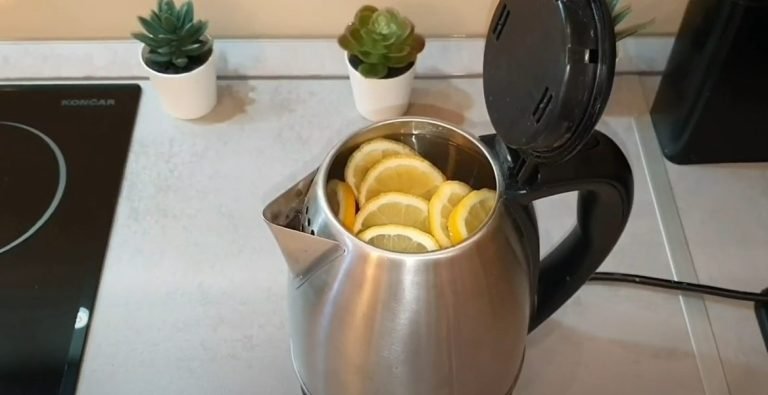
Descaling your kettle doesn’t require fancy tools or products. With just vinegar or lemon juice, you can easily remove limescale. It’s a simple routine that can make a significant difference. Have you tried using lemon juice? The natural acidity breaks down limescale effectively and leaves your kettle smelling fresh. Plus, it’s an eco-friendly solution. Incorporating regular descaling into your routine takes minimal effort but offers substantial benefits. Why wait for limescale to affect your kettle when you can prevent it with a quick clean? Your kettle, your drinks, and your wallet will thank you.

Credit: www.bbcgoodfood.com
Signs Your Kettle Needs Descaling
White flakes in your tea or a slower boiling time signal your kettle needs descaling. A clean kettle heats efficiently, ensuring pure taste and quicker boiling. Regular maintenance helps prevent limescale buildup, keeping your appliance in top shape.
When was the last time you thought about descaling your kettle? You might not realize it, but a build-up of limescale can not only affect your kettle’s efficiency but also the taste of your favorite hot beverages. Not sure if it’s time to give your kettle some TLC? Let’s explore some telltale signs that your kettle needs descaling.
Visible Limescale Buildup
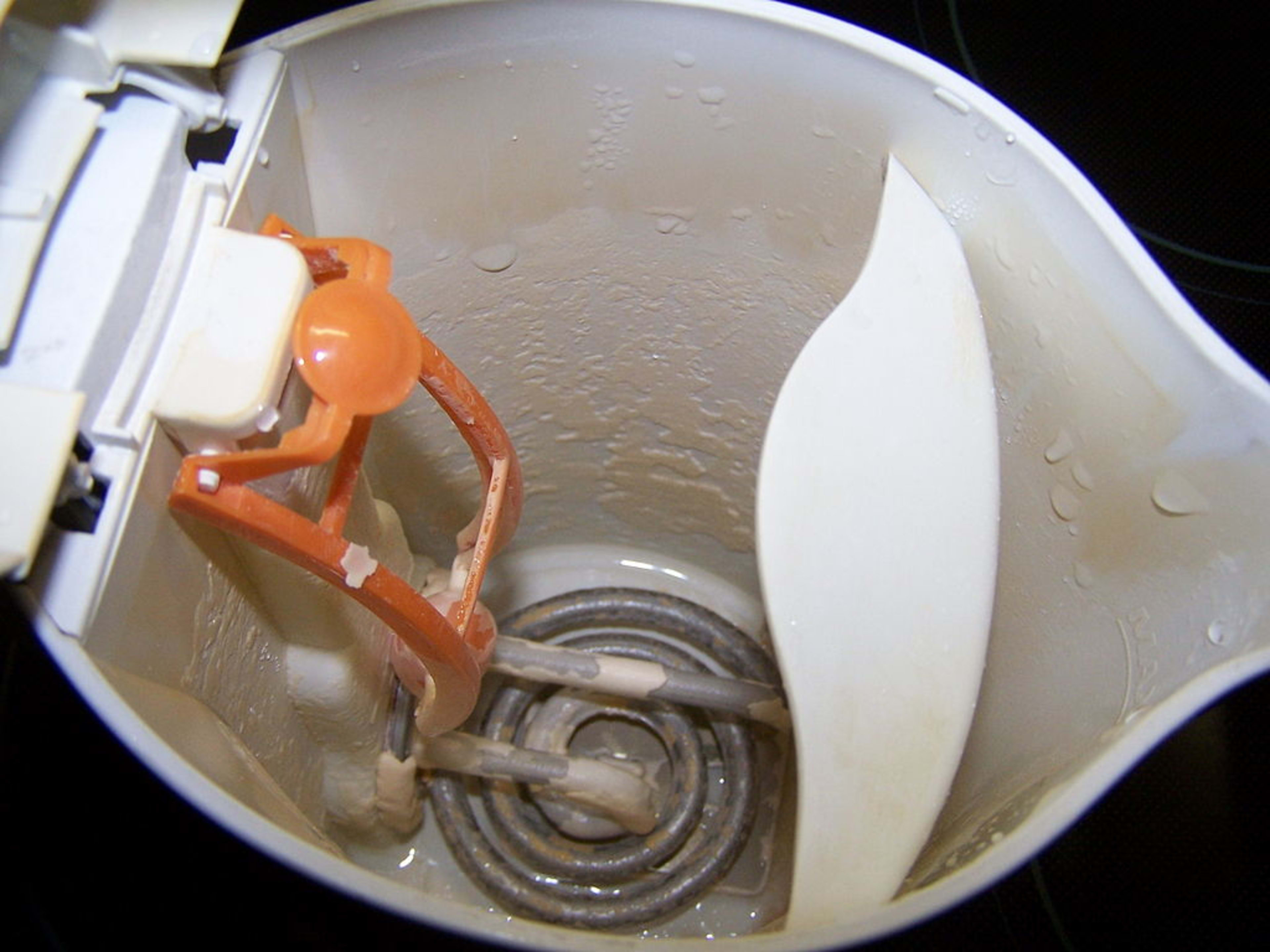
One of the most obvious signs is the presence of a chalky, white residue inside your kettle. This limescale can coat the heating element and the interior walls. If you notice this, it’s time to descale. A friend once ignored the buildup and found bits of limescale in her tea—a reminder to never delay this simple task.
Longer Boiling Times
Have you noticed your kettle taking longer to boil water? A limescale-covered heating element works less efficiently, leading to increased boiling time. This not only wastes your time but also increases your energy bill.
Strange Noises During Boiling
Does your kettle make unusual noises when boiling water? While some noise is normal, a loud rumbling sound could indicate that limescale is hindering the heating process. Addressing this issue can prolong your kettle’s life and restore quiet to your kitchen.
Cloudy Hot Water
If the water from your kettle appears cloudy or has floating particles, it’s a sign of excessive limescale. This can affect the taste of your drinks and isn’t pleasant to see in your cup. Would you want guests to sip on sediment-laden tea?
Unpleasant Taste In Beverages
A subtle but unmistakable sign is a change in the taste of your beverages. If your coffee or tea tastes off, limescale might be the culprit. Descaling your kettle can revive the true flavors of your favorite drinks, making every sip enjoyable once again.
Reduced Water Capacity
Limescale can reduce the space within your kettle, leading to less water capacity. If you’re filling your kettle more often than usual, it’s time to check for limescale. This ensures you’re not wasting time with multiple boils for your morning routine. Taking note of these signs can save you from bigger issues down the line. Have you experienced any of these signs in your kettle? If so, it might be time to roll up your sleeves and get descaling. Your kettle—and your taste buds—will thank you.
Materials Needed For Descaling
Descaling a kettle requires white vinegar or lemon juice and water. Mix equal parts vinegar and water. Alternatively, use lemon juice for a fresh scent. Ensure the kettle is empty before adding the solution. This helps remove limescale and keeps your kettle clean.
Descaling a kettle might seem like a daunting task, but with the right materials, it can be a simple and satisfying experience. A clean kettle not only looks better but also functions more efficiently, ensuring your hot beverages taste as they should. Gathering the right materials is the first step in this process, and you’ll be surprised to find that you likely have most of these items already at home. Let’s dive into what you’ll need to get started.
1. White Vinegar
White vinegar is a powerful cleaning agent that is both affordable and natural. Its acidic nature helps break down the limescale that builds up in kettles over time. You’ll need enough to fill your kettle halfway.
2. Water
Water is essential for diluting the vinegar and for rinsing the kettle after descaling. Make sure you have enough to fill the kettle to its maximum capacity.
3. Lemon Juice
If the smell of vinegar doesn’t appeal to you, lemon juice is a refreshing alternative. It’s less potent but still effective. Use fresh lemons if possible, or bottled lemon juice in a pinch.
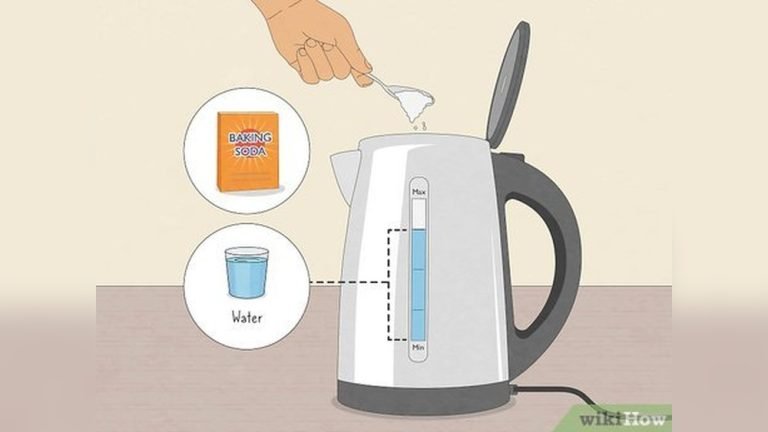
4. Baking Soda
For stubborn stains and odors, baking soda can be a lifesaver. It acts as a mild abrasive and neutralizes any lingering vinegar smell. A tablespoon will be sufficient.
5. Soft Cloth Or Sponge
You’ll need a soft cloth or sponge to wipe down the interior and exterior of the kettle once the descaling process is complete. Avoid using anything too abrasive as it might scratch the surface.
6. Measuring Cup
Accurate measurements of vinegar, water, and other ingredients are crucial. A measuring cup ensures you get the proportions just right.
7. A Stove Or Hot Plate
You’ll need a heat source to bring the vinegar solution to a boil inside the kettle. This step is key to effectively loosening the limescale.
8. A Small Brush
For those hard-to-reach places, a small brush or an old toothbrush can be invaluable. It helps scrub away any remaining deposits. Gathering these materials is the first step to a clean kettle. Why spend money on commercial descalers when you can use simple household items? Have you tried descaling your kettle with these items before? If not, this might be your chance to see the magic unfold with everyday products.
Step-by-step Descaling Process
Descaling a kettle is crucial for its efficiency and longevity. Mineral deposits from water can build up inside your kettle. This affects its performance and taste. Follow this simple step-by-step guide to descale your kettle. You’ll ensure it works perfectly and lasts longer.
1. Gather Your Supplies
Start with the right supplies. You need vinegar or citric acid. White vinegar works best. It is effective and easy to find. Also, have a clean cloth and water ready.
2. Prepare The Descaling Solution
Mix equal parts of water and vinegar. Fill the kettle halfway with this solution. If using citric acid, dissolve a tablespoon in water. This solution will break down the limescale.
3. Boil The Solution
Turn on the kettle and let it boil. The heat will help the solution work better. Boiling lasts just a few minutes. Ensure the solution reaches all areas inside.
4. Let It Sit
Once boiled, let the solution sit. Leave it in the kettle for 15 to 20 minutes. This will allow the acid to dissolve the limescale thoroughly.
5. Rinse Thoroughly
After sitting, pour out the solution. Rinse the kettle with clean water several times. This removes any vinegar taste and smell.
6. Wipe The Exterior
Use a damp cloth to clean the kettle’s exterior. This ensures no residue remains. Your kettle will look and work like new.
7. Perform A Final Boil
Fill the kettle with fresh water. Boil it once more. This final step ensures any leftover residue is gone. Your kettle is now descaled and ready for use.
Tips For Maintaining A Clean Kettle
Maintaining a clean kettle is vital for enjoying fresh, tasty beverages. Regular care not only prevents scale buildup but also extends the life of your kettle. A clean kettle boils water efficiently, saving both time and energy. Here are some tips to keep your kettle in top shape.
Use Fresh Water
Always fill your kettle with fresh water. Tap water sitting in the kettle can lead to mineral deposits. This simple habit reduces scale and keeps your kettle clean.
Empty The Kettle After Use
Pour out any leftover water after each use. This prevents stagnant water from causing mineral buildup. Keeping the kettle dry helps to maintain its cleanliness.
Clean Regularly
Make a routine to clean your kettle weekly. Use mild soap and a soft cloth. Regular cleaning keeps dirt and scale at bay.
Avoid Overfilling
Do not fill the kettle beyond the maximum level. Overfilling can cause spills, leading to mineral deposits on the exterior. This small step ensures your kettle stays clean.
Use Vinegar For Descaling
Vinegar is a natural descaler. Mix equal parts water and vinegar, boil, and let it sit. This removes scale and refreshes your kettle.
Pay Attention To The Base
The base of the kettle can gather dirt and grime. Wipe it regularly with a damp cloth. This keeps both the kettle and your countertop clean.
Store Properly
Place your kettle in a dry spot when not in use. Humid environments can promote mineral buildup. Proper storage keeps your kettle ready for use.

Credit: www.youtube.com
Credit: dengarden.com
Frequently Asked Questions
What Is The Easiest Way To Descale A Kettle?
Use a vinegar-water solution to descale a kettle. Mix equal parts vinegar and water, then boil. Let it sit for 15-20 minutes, then rinse thoroughly. This method removes limescale effectively and keeps your kettle clean. Regular descaling ensures better performance and extends the life of your kettle.
How To Get Rid Of Scale Buildup In Kettle?
Remove kettle scale by boiling equal parts water and vinegar. Let it sit for 30 minutes, then rinse.
Do You Use Baking Soda Or Vinegar To Descale A Kettle?
Use vinegar to descale a kettle. Fill it halfway with equal parts water and vinegar. Boil, then let it cool for 15 minutes. Rinse thoroughly to remove residue. Avoid baking soda, as vinegar is more effective for removing limescale.
Conclusion
Descaling a kettle is simple and essential. It helps your kettle last longer. Regular cleaning prevents scale build-up. Use vinegar or lemon for natural cleaning. Boil the solution and let it sit. Rinse thoroughly afterward. Ensure no residue remains. Clean your kettle every month for best results.
It keeps your water tasting fresh. Plus, it improves heating efficiency. Avoid harsh chemicals to protect your health. Enjoy a clean, efficient kettle every day. Happy boiling!
Read More
- 110V Gooseneck Electric Kettle: Precision Brewing Essential
- Whistling Kettle Stainless Steel: Ultimate Kitchen Essential
- How Do You Clean an Electric Tea Kettle? Expert Tips

Natasha, founder of NatashasKitchenTips.com, shares easy, flavorful recipes and practical cooking tips to help home cooks feel confident in the kitchen. With a passion for simple, delicious meals, she inspires readers to cook with joy and creativity every day.