How Long Does a Kettle Take to Boil? Speed Secrets Unveiled
How long does a kettle take to boil? A kettle usually takes 2 to 5 minutes to boil water, depending on its power (wattage) and the amount of water inside. Electric kettles with higher wattage boil faster, while stovetop kettles may take slightly longer, especially if filled to maximum capacity.
Have you ever found yourself standing by the kitchen counter, eagerly waiting for your kettle to boil? Perhaps you’re in a rush to savor that perfect cup of tea or coffee, yet time seems to slow down as you wait for those bubbles to appear.
You might be wondering, how long should it really take for a kettle to boil? The anticipation can be frustrating, especially when you’re craving that warm, comforting drink. But what if you could understand the factors that affect boiling time and learn how to make your kettle work faster for you?
Stick around as we unravel the mystery behind boiling kettles, and discover tips that could save you precious minutes in your daily routine.
How Long Does a Kettle Take to Boil?
Factors Affecting Boiling Time
Boiling a kettle is a routine task in many households. Various factors influence how long it takes for water to boil. Understanding these can help optimize your boiling time.
Water Volume
The amount of water directly affects boiling time. More water takes longer to heat. A half-full kettle boils faster than a full one.
Water Temperature
Starting with warm water speeds up the process. Cold water from the tap takes longer to boil. Using preheated water can save time.
Kettle Power Rating
Electric kettles have different power ratings. Higher wattage kettles boil water faster. Check your kettle’s power for efficiency.
Material Of The Kettle
Materials impact heat conduction. Stainless steel kettles heat quickly. Plastic kettles may take longer. Choose materials wisely for speed.
Ambient Temperature
Room temperature plays a role. A warmer environment aids faster boiling. Cold surroundings slow down the process.
Water Quality
Impurities in water can affect boiling. Hard water may take longer to heat. Using filtered water can improve boiling speed.

Credit: www.wikihow.com
Electric Vs. Stovetop Kettles
Electric kettles typically boil water faster than stovetop kettles, taking around 3 to 5 minutes. The speed depends on the wattage and water amount. Stovetop kettles often require more time, usually 5 to 10 minutes, depending on the heat source and kettle material.
When you’re eager for a cup of tea, the time it takes for a kettle to boil can feel like an eternity. Choosing between an electric kettle and a stovetop kettle can make a significant difference in this waiting game. Both types have their own merits and quirks, influencing how quickly you can enjoy your favorite hot beverage. Let’s dive into how these kettles stack up against each other.
Electric Kettles: The Speed Champions
Electric kettles are often the go-to choice for those in a hurry. They are designed to boil water quickly, often taking just three to four minutes for a full pot. The convenience of plugging it in and walking away is unmatched. Most electric kettles come with automatic shut-off features. This ensures safety and prevents water from boiling over. Plus, modern designs often include temperature settings for different types of tea or coffee.
Stovetop Kettles: The Traditional Choice
Stovetop kettles, while not as quick as their electric counterparts, offer a classic charm. They usually take about five to ten minutes to bring water to a boil, depending on the heat source and kettle material. These kettles are ideal for those who enjoy a more hands-on approach. You control the heat, and perhaps even enjoy the whistle that signals boiling water. If you’re already using the stove for cooking, a stovetop kettle can be quite convenient.
Which One Is Right For You?
Your lifestyle and preferences play a big role in choosing between these kettles. If you value speed and convenience, an electric kettle is a clear winner. It’s great for busy mornings or when you have guests over. However, if you relish a slower pace and appreciate tradition, a stovetop kettle might suit you better. It can be a soothing ritual, especially if you enjoy the sound and sight of boiling water on the stove.
Final Thoughts
When considering how long a kettle takes to boil, think about more than just time. Consider safety, energy efficiency, and even aesthetics. What matters most is finding a kettle that fits seamlessly into your daily routine. So, what kind of kettle do you think will grace your kitchen counter?
Optimal Water Levels
Finding the perfect balance of water in your kettle is essential for a quick and efficient boil. You might think that filling your kettle to the brim is a good idea, but sometimes less is more. Too much water can extend boiling time and waste energy. On the flip side, too little water can damage your kettle and leave you without enough for that perfect cup of tea.
Understanding Water Capacity
Every kettle comes with a max fill line and a minimum fill line. These lines guide you in using your kettle safely and efficiently. Filling above the maximum can lead to spills and increased boiling time. Have you ever overflowed your kettle? It’s a mess, and cleaning it up isn’t fun.
Efficient Boiling With Minimal Fill
Using the minimum fill line is often the quickest way to boil water. You save energy and time. If you’re just making a single cup of tea, try using the least amount of water. It boils faster, and you get your tea quicker. Next time you’re in a hurry, remember this trick.
Finding Your Perfect Fill
How much water do you actually need? Consider your daily routine. If you’re making tea for yourself, use just enough for your cup. If you have guests over, then fill accordingly. Adjusting your water levels based on your needs is a smart way to save time and energy.
Challenges Of Overfilling
Overfilling your kettle can lead to longer boiling times and energy waste. Have you noticed your kettle taking forever to boil? It might be because it’s overfilled. Keep an eye on the water levels for a speedy boil.
Benefits Of Optimal Water Levels
Using the right amount of water not only speeds up the boiling process but also conserves energy. You’re doing your bit for the environment and saving on energy bills. It’s a win-win situation. Plus, your kettle will thank you for not overworking it.
Experiment With Your Kettle
Try different water levels and see what works best for you. It’s like finding that perfect recipe—you tweak it until it’s just right. Share your findings with others. What water level boils fastest for you?
By focusing on optimal water levels, you can improve your kettle’s efficiency and enjoy quicker boiling times. Next time you fill your kettle, pause and think about how much you really need. Your time, wallet, and kettle will appreciate it.
Energy Efficiency Tips
Boiling a kettle efficiently saves both energy and money. It’s also better for the environment. Simple adjustments can make your kettle use less energy. Below are some tips to make your kettle more energy efficient.
Use Only The Water You Need
Fill the kettle with the exact amount of water you need. Boiling excess water wastes energy. Check the water level indicator before turning it on.
Descale Your Kettle Regularly
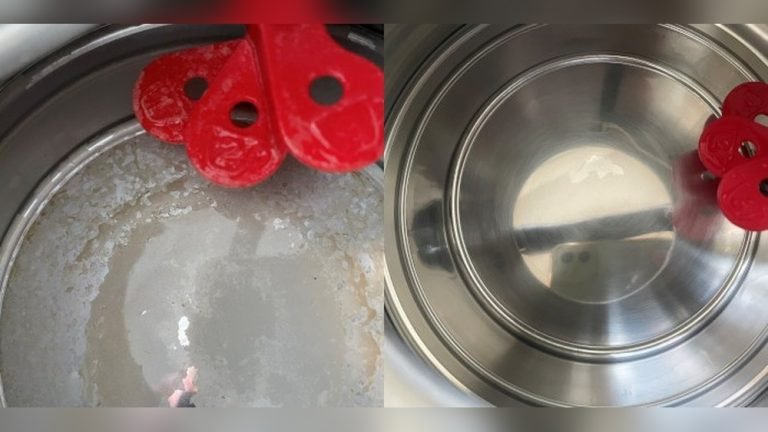
Mineral deposits slow down boiling time. Regular descaling removes these deposits. A clean kettle heats water faster, using less energy.
Consider A Kettle With Temperature Control
Some kettles offer temperature settings. Choose a lower temperature for tea or coffee. Boiling water to lower temperatures saves energy.
Keep The Lid Closed
Always keep the kettle lid closed while boiling. An open lid lets steam escape. This makes the kettle take longer to boil, using more energy.
Use A More Efficient Kettle
Older kettles may not be energy efficient. Consider upgrading to a newer model. Modern kettles often use less energy to boil water.
Innovative Kettle Technologies
Exploring innovative kettle technologies reveals how design impacts boiling time. Modern kettles can boil water in just 2-5 minutes. Factors like wattage and material play crucial roles in efficiency.
Innovative kettle technologies have revolutionized the way we boil water, making the process quicker and more efficient. Gone are the days when you had to wait patiently for what felt like an eternity for your kettle to boil. Today’s kettles boast impressive features that cater to the fast-paced demands of modern life. Ever found yourself in a rush, desperately needing that morning caffeine fix? With advanced kettle technologies, you can have your hot water ready almost instantly. Let’s dive into how these innovations can save you precious minutes.
Smart Temperature Control
One standout feature in modern kettles is smart temperature control. This allows you to set the exact temperature for your water, tailored to your specific needs. Whether you’re brewing green tea, which requires a lower temperature, or making a cup of coffee, this feature ensures precision. It’s not just about boiling water; it’s about boiling it right.
Rapid Boil Technology
If speed is what you’re after, rapid boil technology is a game-changer. These kettles use powerful heating elements to heat water in a fraction of the time. Imagine shaving off those extra minutes each morning. You’ll never have to worry about running late because of a slow-boiling kettle again.
Energy Efficiency
Energy-efficient kettles not only save time but also reduce your electricity bill. They are designed to use less power while heating water quickly. Think about the environmental impact and your wallet; it’s a win-win situation. Are you ready to make a more sustainable choice without compromising on efficiency?
Safety Features
Safety is always a priority, and modern kettles come equipped with features like auto shut-off and boil-dry protection. These ensure the kettle turns off once the water reaches the desired temperature or if there’s no water inside. This prevents accidents and gives you peace of mind.
Connectivity And Smart Integration
The latest innovation is connectivity and smart home integration. Some kettles can connect to your smartphone, allowing you to start boiling water from another room. Imagine waking up and having your kettle ready to go with just a tap on your phone. It’s convenience at its best. With these advanced features, kettles are no longer just kitchen appliances; they are smart tools that cater to your lifestyle. As you ponder over your next kettle purchase, consider how these technologies can enhance your daily routine.

Credit: www.wikihow.com
Credit: hugoenergyapp.co.uk
Frequently Asked Questions
Do Kettles Take Longer To Boil In America?
Kettles may boil slower in America due to the 120V voltage standard, compared to 240V in Europe. This results in lower wattage, causing longer boiling times. However, the difference is usually minimal and depends on the kettle’s design and efficiency.
How Much Does It Cost To Run A Kettle For 1 Minute?
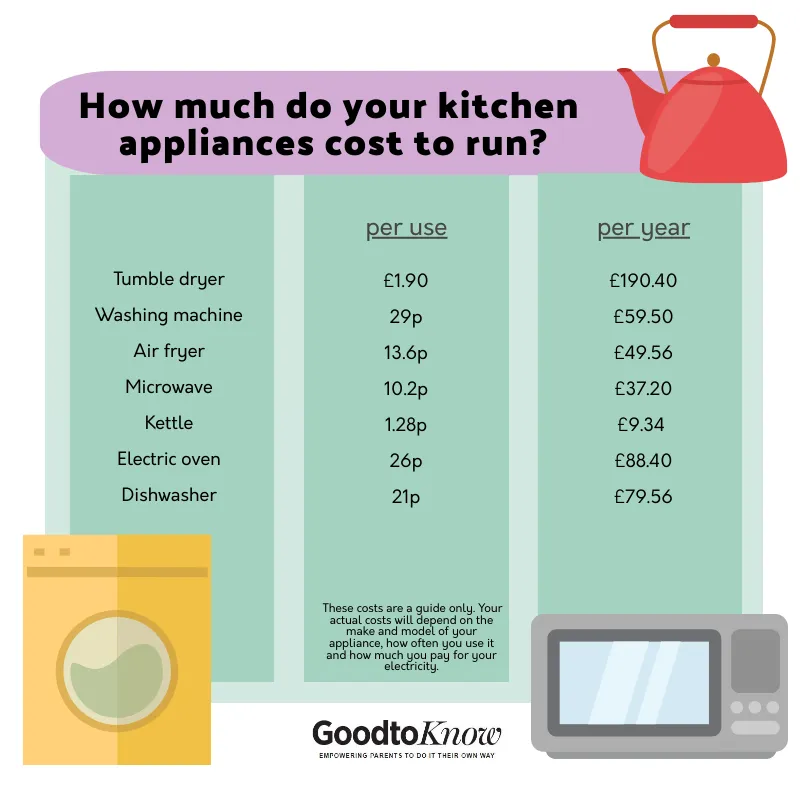
Running a kettle for 1 minute costs approximately 0. 5 to 1 cent. The exact cost depends on your electricity rate and kettle wattage. Most kettles use about 1500 to 3000 watts. Check your electricity bill for precise rates to calculate accurate costs.
Do Kettles Boil Faster Than Pots?
Electric kettles typically boil water faster than pots. Kettles use direct heating elements, reducing heat loss. Pots heat indirectly, taking longer. Kettles are designed specifically for boiling, optimizing speed and efficiency. Choose a kettle for quicker boiling, saving time and energy.
Conclusion
Boiling a kettle might seem simple. Yet, many factors affect the time. Water volume matters. More water takes longer. Kettle power impacts speed, too. Higher wattage boils faster. Don’t forget altitude. Higher places take more time. Use these tips for quicker boiling.
Save energy and time. Every minute counts. Understanding your kettle’s boiling time helps plan better. Whether for tea or coffee, quick results matter. Stay informed and make the most of your kitchen gadgets. Enjoy warm beverages with ease. Keep experimenting for faster boiling.
Read More
- Can You Put Milk in Electric Kettle: Safe or Risky?
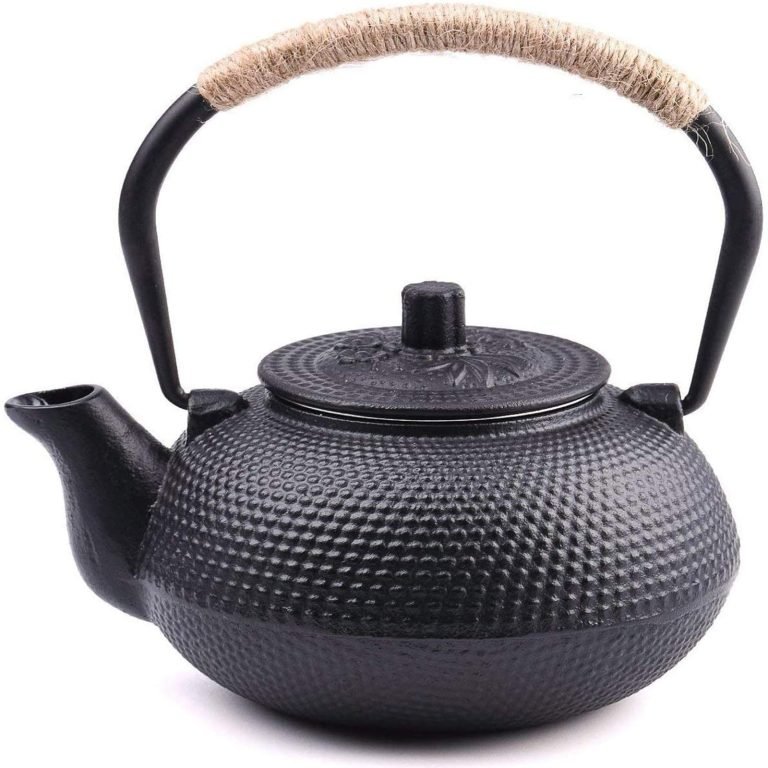
- How to Use Cast Iron Tea Kettle? Expert Brewing Tips
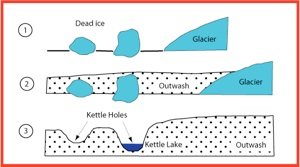
- How Do Kettle Lakes Form? Nature’s Sculpting Secrets

Natasha, founder of NatashasKitchenTips.com, shares easy, flavorful recipes and practical cooking tips to help home cooks feel confident in the kitchen. With a passion for simple, delicious meals, she inspires readers to cook with joy and creativity every day.