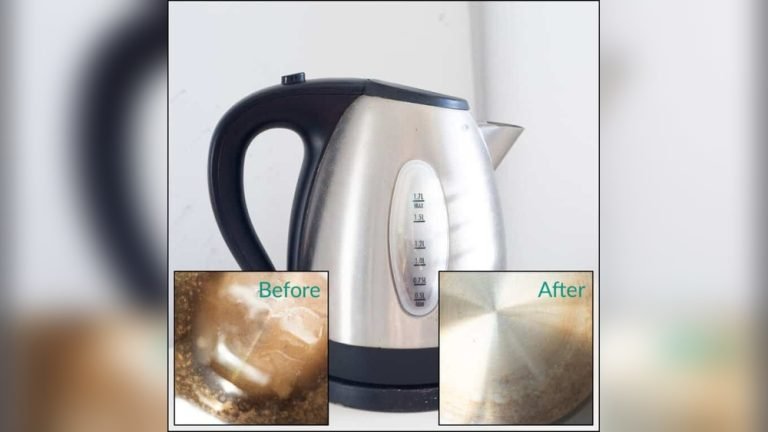
How to Clean Inside of Tea Kettle? Easy Steps for Sparkling Results
How to clean inside of tea kettle? Fill the kettle halfway with equal parts water and white vinegar. Boil the mixture, then let it sit for 15–20 minutes. Pour it out and scrub the inside gently with a soft brush or sponge. Rinse thoroughly with clean water to remove any vinegar residue.
Your tea kettle is one of the most used items in your kitchen, but have you ever stopped to think about what’s inside it? Over time, mineral deposits and stains can build up, affecting the taste of your tea and the performance of your kettle.
Cleaning the inside of your tea kettle might seem tricky, but it’s easier than you think. You’ll discover simple, effective ways to get your kettle sparkling clean again. Keep reading—your perfect cup of tea starts with a clean kettle!
How to Clean Inside of Tea Kettle?
Choosing The Right Cleaning Tools
Choosing the right tools is key to cleaning your tea kettle properly. The right supplies make the job easier and protect your kettle. Use tools that reach inside without scratching the surface. Avoid harsh materials that can damage the kettle’s finish. Safe agents help remove stains and buildup without harm. This section guides you through the best cleaning tools and agents.
Essential Supplies For Kettle Cleaning
Start with a soft sponge or cloth for gentle scrubbing. A bottle brush with soft bristles works well for narrow spouts. Use a non-abrasive scrubber to avoid scratches. A small funnel helps add cleaning solutions inside the kettle. Have a measuring cup to add the right amount of cleaner. A clean towel or cloth is useful for drying the kettle after cleaning.
Safe Cleaning Agents To Use
White vinegar is a natural cleaner that removes mineral buildup. Baking soda works well to scrub away tough stains. Lemon juice offers a fresh scent and cleans gently. Avoid bleach or harsh chemicals that can harm the kettle. Use warm water to help dissolve deposits inside. These safe agents protect your kettle and keep it fresh.

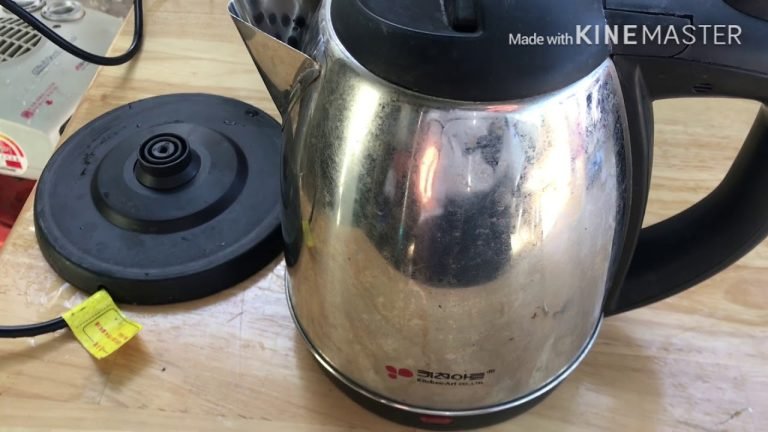
Credit: www.youtube.com
Removing Mineral Deposits
Mineral deposits build up inside tea kettles over time. These deposits come from hard water and can affect taste and heating. Removing them keeps your kettle clean and working well. Simple household items can remove these stubborn stains safely and effectively.
Using Vinegar For Descaling
Pour equal parts water and white vinegar into the kettle. Heat the mixture until it boils. Let it sit for 15 to 20 minutes. The acid in vinegar breaks down mineral buildup. After soaking, pour out the liquid and rinse the kettle well. Use a soft brush or cloth to scrub any leftover spots. Rinse again to remove all vinegar smell.
Baking Soda Method For Tough Stains
Fill the kettle with water and add two tablespoons of baking soda. Heat the kettle until the water boils. Let it cool for 20 minutes. Baking soda helps loosen tough mineral deposits. Scrub the inside gently with a brush or sponge. Empty the kettle and rinse thoroughly. Repeat if stains remain stubborn. This method is safe and leaves no strong smell.
Cleaning The Kettle Interior
Cleaning the inside of your tea kettle is key to keeping it fresh and working well. Over time, mineral deposits and leftover tea stains build up inside. These can affect the taste of your tea and reduce the kettle’s life. A clean kettle heats water faster and looks better too.
Regular cleaning helps remove these deposits and keeps your kettle safe to use. The process is simple and uses common household items. Follow these steps to clean the kettle interior thoroughly and easily.
Step-by-step Cleaning Process
First, fill the kettle with equal parts water and white vinegar. Let the mixture sit inside for about 30 minutes. Boil the solution to loosen mineral deposits. After boiling, turn off the kettle and let it cool. Empty the kettle and rinse it well with clean water. Use a soft sponge to wipe the inside gently. Avoid harsh scrubbers that can damage the metal. Rinse again to remove any vinegar smell. Dry the kettle with a clean cloth or let it air dry.
Tips For Hard-to-reach Areas
Use a small brush or bottle brush to reach corners inside the kettle. Cotton swabs work well for tight spots near the spout. Avoid putting your hand inside if the opening is narrow. For stubborn stains, make a paste of baking soda and water. Apply the paste to stains and scrub gently with the brush. Rinse thoroughly to remove all residue. Regular cleaning prevents buildup in these hard spots.
Credit: www.reddit.com
Rinsing And Drying Properly
Rinsing and drying a tea kettle after cleaning is very important. It helps keep the kettle fresh and stops any bad taste. This step also stops rust or damage inside the kettle. Proper rinsing and drying make sure the kettle is ready for the next use.
Ensuring No Residue Remains
Rinse the kettle several times with clean water. Use warm water to help remove soap or cleaning agents. Swirl the water inside to reach all corners. Pour out the water and check for any leftover dirt or soap. Repeat rinsing if you see any residue. This keeps the water you boil clean and safe.
Best Practices For Drying
Turn the kettle upside down on a clean towel. Let it air dry for several hours to remove all moisture. Leave the lid open to allow air inside. Avoid using cloths that leave lint behind. Drying stops water spots and prevents rust. A fully dry kettle lasts longer and tastes better.
Maintaining A Sparkling Kettle
Keeping your tea kettle clean inside is key to great-tasting tea. A sparkling kettle lasts longer and works better. Dirt and mineral buildup can damage your kettle and change the flavor of your tea. Simple steps can keep your kettle fresh and shiny every day.
Regular Cleaning Schedule
Clean your kettle at least once a week. Use a mix of water and vinegar to remove mineral deposits. Fill the kettle halfway, boil the solution, then let it sit for 15 minutes. Rinse well with clean water before using again. For daily use, rinse the kettle after each use to stop buildup. Wipe the outside with a soft cloth to keep it looking new.
Preventing Future Buildup
Use filtered or soft water to reduce minerals inside the kettle. Empty the kettle after each use to avoid standing water. Avoid boiling water for too long; this can cause more buildup. Regular cleaning stops hard stains and rust from forming. Store your kettle in a dry place to keep it in good shape.
Credit: www.hometalk.com
Frequently Asked Questions
How Often Should I Clean The Inside Of My Tea Kettle?
Clean your tea kettle every 1 to 2 weeks to avoid buildup and keep it safe for use.
What Is The Best Way To Remove Limescale Inside A Kettle?
Use a mixture of vinegar and water, boil it, then rinse well to remove limescale.
Can I Clean My Kettle With Baking Soda Safely?
Yes, baking soda gently cleans the inside and removes odors without harming the kettle.
Conclusion
Cleaning the inside of your tea kettle keeps it safe and fresh. Regular care stops build-up and bad smells. Use simple ingredients like vinegar and baking soda. Rinse well to remove all residue. Clean kettles make better-tasting tea every time.
A little effort keeps your kettle working longer. Try cleaning it once a month. Enjoy hot tea without any worries. Your kettle will thank you for the care. Simple steps lead to big benefits in your kitchen.
Read More
- How to Clean Scale from Kettle? Easy and Effective Tips
- How to Clean Inside an Electric Kettle: Easy & Effective Tips
- How to Clean Kettle Inside Vinegar? Easy & Effective Tips

Natasha, founder of NatashasKitchenTips.com, shares easy, flavorful recipes and practical cooking tips to help home cooks feel confident in the kitchen. With a passion for simple, delicious meals, she inspires readers to cook with joy and creativity every day.