How to Descale an Electric Tea Kettle: Easy Steps for Sparkling Clean
If you love your electric tea kettle, you want it to work perfectly every time. But over time, minerals from water build up inside, making it slower and less efficient.
This buildup, called limescale, can even change the taste of your tea. Don’t worry—descaling your kettle is easier than you think. You’ll discover simple, quick steps to clean your kettle and keep it in top shape. Keep reading to learn how to restore your kettle’s performance and enjoy every cup of tea just the way you like it.

Credit: id-internazionale.it
Why Descaling Matters
Descaling your electric tea kettle keeps it working well. Over time, minerals from water build up inside the kettle. This buildup is called limescale. It can block heating parts and make the kettle less efficient.
Limescale also affects the taste of your tea. It can give a bitter or strange flavor. Cleaning the kettle removes these deposits. This helps your tea taste fresh every time.
Regular descaling also makes your kettle last longer. It stops damage caused by hard water. A clean kettle uses less energy to boil water. This saves money on electricity bills.
Protect Your Kettle’s Heating Element
Limescale covers the heating element inside the kettle. This layer stops heat from passing easily. The kettle takes longer to boil water. It can cause the heating element to overheat and fail.
Removing limescale keeps the heating element clean. This helps the kettle work faster and safer. It lowers the risk of costly repairs or replacements.
Improve Water Quality And Taste
Mineral buildup changes water taste. It can make water taste metallic or stale. Descaling removes these minerals and deposits. Clean water means better flavor in your tea.
Drinking tea made with clean water is healthier. It reduces the chance of consuming unwanted minerals. Your tea will taste pure and fresh every time.
Save Energy And Reduce Costs
A scaled kettle uses more energy to heat water. The buildup acts as insulation, slowing the process. The kettle runs longer to reach boiling point. This wastes electricity and increases bills.
Descaling improves heat transfer inside the kettle. It boils water faster and uses less power. Regular cleaning lowers energy consumption and cuts costs.
Signs Your Kettle Needs Descaling
Knowing when to descale your electric tea kettle saves time and keeps it working well. Scale buildup happens naturally over time. It affects the kettle’s heating ability and water taste. Watch for clear signs to keep your kettle in top shape.
Slow Boiling Time
Your kettle takes longer than usual to boil water. Scale buildup blocks heat transfer. This makes the heating element less effective. Notice if boiling water feels slower than before.
Visible White Or Brown Deposits
Check inside the kettle for chalky or rusty spots. These deposits are minerals from hard water. They build up on the kettle’s walls and bottom. Their presence means it is time to descale.
Strange Taste Or Smell
Water tastes odd or smells funny after boiling. Scale can affect water flavor. Minerals and residue leave a strange aftertaste. This signals a need for cleaning.
Unusual Noises During Boiling
Your kettle makes popping or crackling sounds. Scale causes trapped water bubbles. These noises mean the heating element is under stress. Descaling will help reduce noise.
Automatic Shut-off Stops Working
The kettle turns off too early or not at all. Scale buildup interferes with sensors. It can cause the kettle to malfunction. Regular descaling keeps safety features working well.
Gathering Descaling Supplies
Gathering the right supplies makes descaling your electric tea kettle simple. You only need a few common items. These help remove mineral buildup fast and safely. Prepare everything before starting to save time and effort.
Having the right tools ensures your kettle stays clean and works well. Let’s explore what supplies you need to gather.
Cleaning Agents
White vinegar is a popular choice for descaling. It gently breaks down limescale without harsh chemicals. Lemon juice also works well and leaves a fresh scent. Some people use baking soda mixed with water as a mild cleaner. Choose one cleaning agent based on what you have at home.
Measuring Tools
Use a measuring cup or spoon to get the right amount of cleaning agent. Too much vinegar or lemon juice can affect the kettle’s taste. Measure carefully for the best results. Accurate measurement helps avoid damage to your kettle.
Soft Cloth Or Sponge
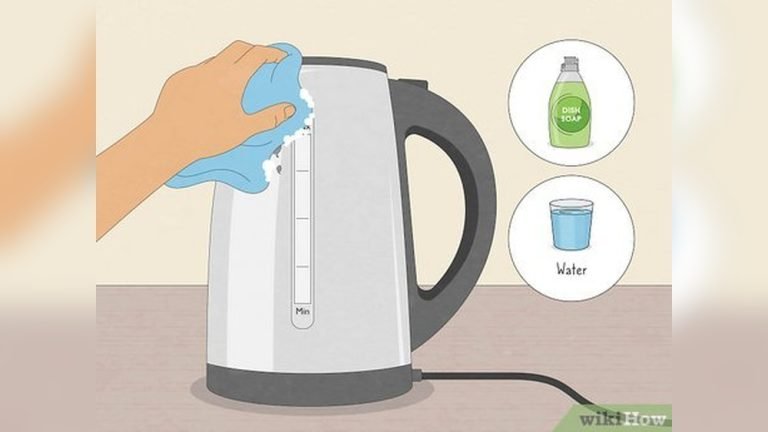
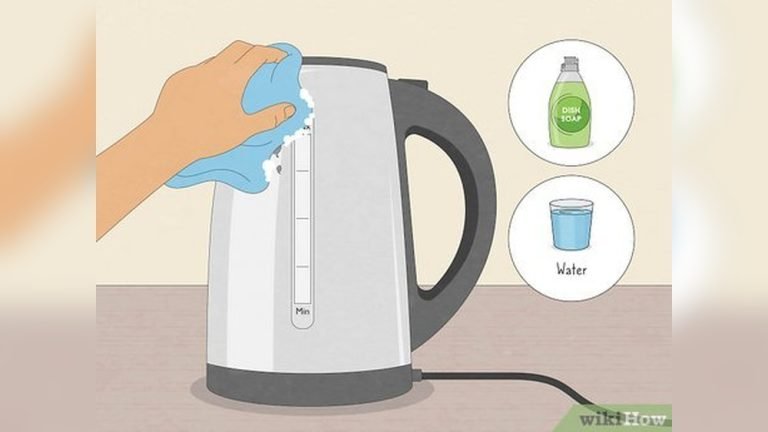
A soft cloth or sponge helps wipe the inside after soaking. Avoid abrasive scrubbers that can scratch the kettle’s surface. Use gentle materials to keep your kettle looking new. Cleaning after descaling removes leftover deposits.
Water
Fresh water is needed to rinse the kettle thoroughly. Rinsing removes all cleaning agents and loose scale. Use clean water to avoid adding new impurities. Multiple rinses may be necessary to ensure cleanliness.
:max_bytes(150000):strip_icc()/how-to-descale-your-stovetop-kettle-getty-0223-2000-b04846cd477849eebab8fec2522745da.jpg)
Credit: www.marthastewart.com
Step-by-step Descaling Process
Descaling your electric tea kettle removes mineral buildup. This helps the kettle work better and last longer. The process is simple and takes only a few minutes. Choose a method that suits you best.
Using Vinegar
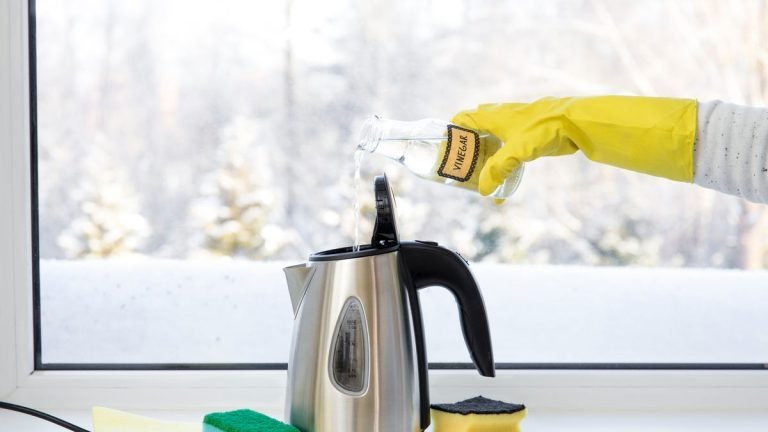
Fill the kettle halfway with equal parts water and white vinegar. Boil the mixture and then turn off the kettle. Let it sit for 15 to 20 minutes to loosen the scale. Pour out the liquid and rinse the kettle well with clean water. Boil fresh water once more and discard it to remove any vinegar smell.
Using Lemon Juice
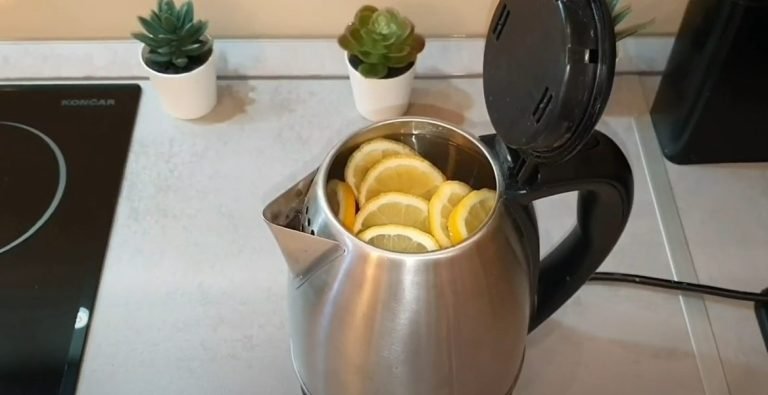
Pour lemon juice into the kettle until it covers the scaled areas. Add water to fill the kettle halfway. Boil the lemon water and then switch off the kettle. Leave it for 30 minutes to break down the mineral deposits. Empty the kettle and rinse thoroughly with fresh water. Boil clean water and discard it to clear any leftover lemon taste.
Using Commercial Descalers
Buy a descaler made for electric kettles. Follow the instructions on the package for the right amount. Mix the descaler with water inside the kettle. Boil the solution and then let it rest as directed. Pour out the solution and rinse the kettle several times. Boil fresh water once to remove any chemical residue before use.
Tips To Prevent Future Scale Build-up
Preventing scale build-up in your electric tea kettle saves time and keeps it working well. Small habits help stop the hard deposits from forming inside the kettle. Simple steps can keep your kettle clean and extend its life.
Use Filtered Or Softened Water
Tap water has minerals that cause scale. Using filtered or softened water reduces these minerals. This change lowers the chances of scale forming inside the kettle.
Empty The Kettle After Each Use
Leaving water in the kettle allows minerals to settle and stick. Pour out the water after boiling. Dry the inside with a clean cloth if possible.
Clean The Kettle Regularly
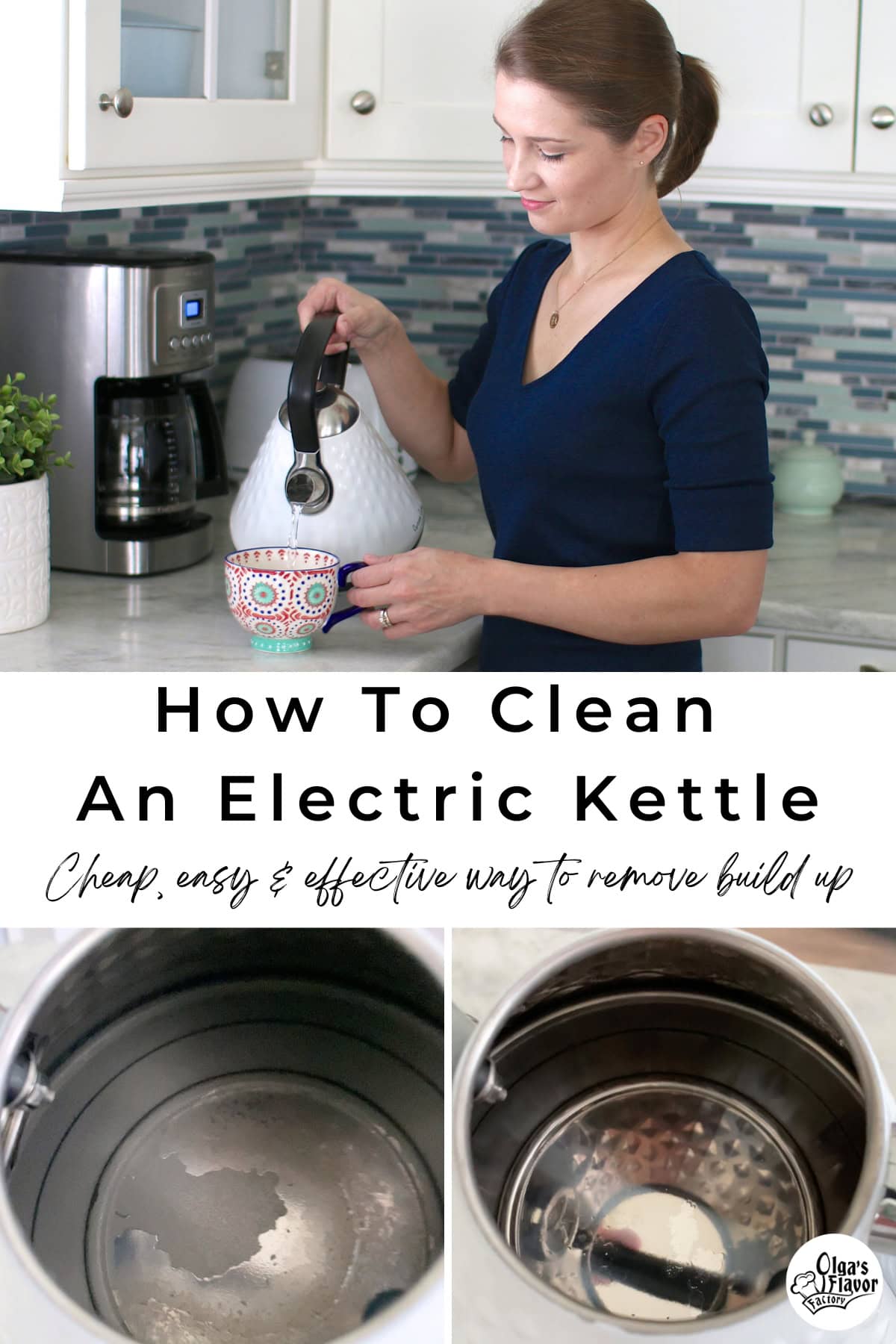
Wipe the kettle’s inside with a soft cloth once a week. Regular cleaning removes small mineral deposits early. It stops scale from building up over time.
Boil Vinegar Solution Monthly
Boil a mixture of water and white vinegar monthly. This helps break down any starting scale. Pour out the solution and rinse well with fresh water.
Credit: clayfitness.net
Frequently Asked Questions
How Often Should I Descale My Electric Tea Kettle?
Descale your kettle every 1-3 months to keep it working well and avoid buildup.
What Household Items Can I Use To Descale My Kettle?
Use vinegar or lemon juice mixed with water to remove limescale safely.
Can Descaling Improve My Kettle’s Boiling Speed?
Yes, descaling removes deposits that slow heating, helping your kettle boil faster.
Conclusion
Regular descaling keeps your electric kettle working well. It stops limescale buildup that can damage the kettle. Clean kettles heat water faster and taste better. Use simple household items like vinegar or lemon juice. Do this process every few months for best results.
A clean kettle lasts longer and saves energy. Take a few minutes to descale and enjoy fresh tea every time. Easy steps, big benefits. Your kettle will thank you.

Natasha, founder of NatashasKitchenTips.com, shares easy, flavorful recipes and practical cooking tips to help home cooks feel confident in the kitchen. With a passion for simple, delicious meals, she inspires readers to cook with joy and creativity every day.