When the Pot Calls the Kettle Black? Irony in Everyday Life
Have you ever found yourself in a situation where someone criticizes you for something they’re guilty of themselves? It’s a classic case of “When the Pot Calls the Kettle Black.”
This phrase captures the irony of pointing fingers while failing to see one’s own faults. Imagine the frustration and humor when someone accuses you without realizing their own shortcomings. You might feel like you’re caught in a game of hypocrisy, wondering why they can’t see the obvious.
You’re not alone in this experience, and there’s more to it than meets the eye. Let’s explore why this phenomenon occurs and how you can handle it with grace and insight.
When the Pot Calls the Kettle Black?
Irony In Language
Irony in language adds depth to communication. It twists meanings, often in surprising ways. The phrase “When the pot calls the kettle black” is a prime example. It highlights irony by pointing out hypocrisy. This saying is an old expression. Yet, it remains relevant in today’s conversations.
Understanding The Phrase
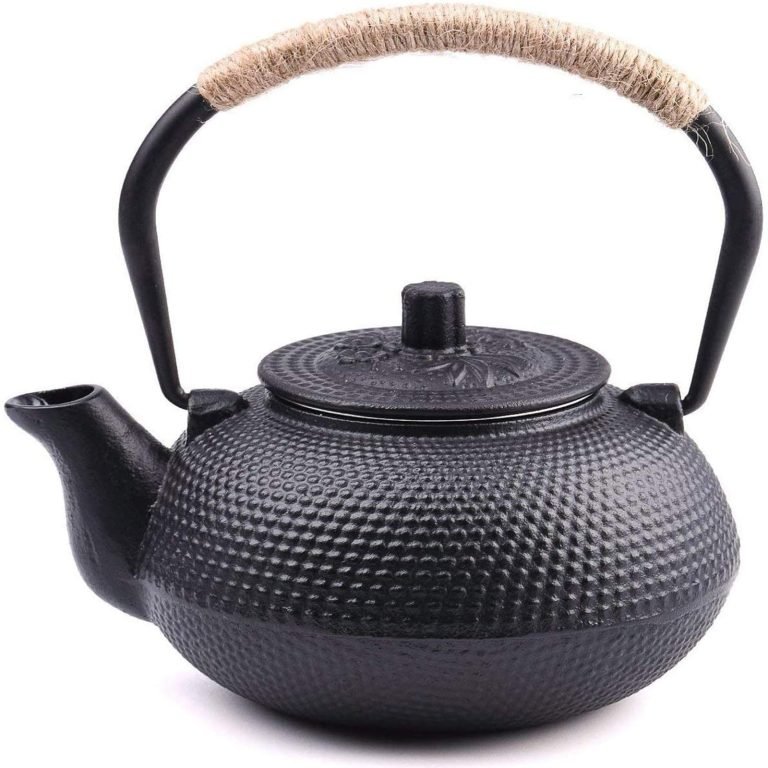
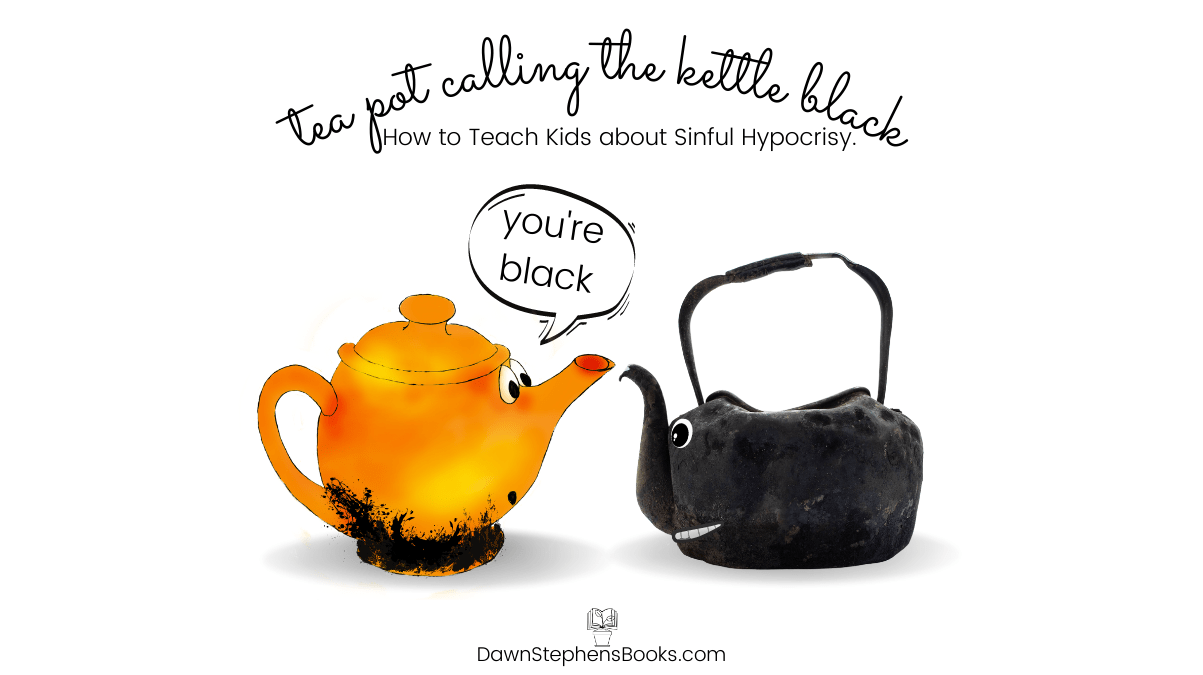
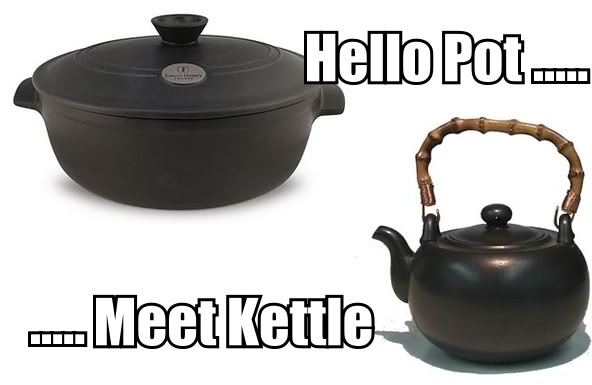
The saying involves two kitchen items, a pot and a kettle. Both are blackened from use over the fire. When the pot accuses the kettle of being black, it ignores its own condition. This creates irony. The accuser shares the same flaw.
The Role Of Irony In Communication
Irony makes language interesting and engaging. It conveys messages with humor or sarcasm. In conversations, irony can highlight contradictions. People use it to make points about human behavior.
Examples In Everyday Life
We encounter irony daily. A person criticizing others for lateness while being late is ironic. It reveals the speaker’s lack of self-awareness.
Irony In Literature And Media
Authors use irony to add layers to their stories. It enriches narratives, engaging readers more deeply. In movies, irony can twist plots unexpectedly. These twists captivate audiences, keeping them engaged.
Conclusion: Appreciating Irony
Irony brings humor and depth to conversations. It challenges us to think and reflect. Recognizing irony enhances our understanding of language. It helps us see the world in new ways.

Credit: www.facebook.com
Social Interactions
Hypocrisy in social interactions often surfaces when one criticizes another for faults they also possess. People sometimes overlook their own actions while pointing fingers at others. Such behavior can lead to misunderstandings and conflicts, highlighting the need for self-awareness in communication.
Social interactions are the backbone of our daily lives. They shape our experiences, influence our decisions, and mold our perspectives. But often, these interactions are riddled with contradictions, like when the pot calls the kettle black—a situation where one criticizes another for a fault they themselves possess.
Understanding The Irony In Social Interactions
Have you ever noticed how easy it is to point fingers at others? We often see flaws in people that we unconsciously ignore in ourselves. This irony plays out in social settings, creating tension and misunderstanding. Next time you’re at a gathering, observe the dynamics. You might catch someone criticizing a peer for being late, while they themselves have a reputation for tardiness. It’s a mirror reflecting our own inconsistencies.
Reflecting On Personal Experiences
Think about a time you judged someone harshly. Was there a part of you that resonated with what you criticized? I once found myself annoyed by a friend’s constant phone use during conversations. Later, I realized I was just as guilty, always checking my notifications. This revelation was humbling. It taught me to be more aware of my actions before passing judgment on others.
Practical Steps To Improve Your Interactions
To foster genuine connections, start by practicing self-awareness. Notice your behavior and how it aligns with what you expect from others. – Listen actively: Focus on understanding, not just responding. – Pause before speaking: Consider if your criticism is fair or a reflection of your own habits. – Cultivate empathy: Try to see situations from the other person’s perspective. These simple changes can transform your social interactions, making them more meaningful and less about pointing out faults.
The Power Of Honest Communication
Open dialogue can break the cycle of hypocrisy. Next time you catch yourself about to criticize, pause and think. Would you appreciate the same feedback from someone else? Honest communication isn’t just about speaking your mind; it’s about doing so with kindness and understanding. This approach not only improves relationships but also encourages growth and self-improvement. Social interactions are complex, and it’s easy to fall into the trap of hypocrisy. By reflecting on our actions and communicating openly, we can create a more supportive and authentic social environment. How will you change your approach today?
Cultural Examples
The phrase “When the pot calls the kettle black” highlights hypocrisy. It appears in various cultures, each with unique interpretations. By exploring cultural examples, we understand the global reach of this saying.
Chinese Culture
In Chinese culture, a similar saying exists. It warns against criticizing others for flaws you possess. This proverb emphasizes self-awareness. It encourages people to reflect before judging others.
Indian Culture
In India, stories often feature characters highlighting others’ faults. These tales teach moral lessons. They remind people to look at their own imperfections. This approach fosters empathy and understanding.
African Proverbs
African proverbs often address hypocrisy. They use nature and animals to convey wisdom. One popular proverb involves a monkey and its tail. It warns against pointing fingers while ignoring one’s own flaws.
European Folklore
European folklore contains many tales of irony. Characters frequently fail to see their own faults. These stories entertain and educate. They remind audiences of the importance of self-reflection.
Middle Eastern Wisdom
Middle Eastern literature explores human nature deeply. Stories often discuss hypocrisy. They highlight the need for introspection. This wisdom promotes personal growth and societal harmony.
Credit: learnenglishwithdemi.wordpress.com
Impact On Humor
The phrase “When the pot calls the kettle black” humorously highlights hypocrisy. It often makes people laugh by pointing out obvious contradictions. This expression adds comedic flair by illustrating human nature’s tendency to criticize others for faults they share.
Humor is a universal language, a tool that bridges gaps and brings people together. The phrase “When the pot calls the kettle black” often finds itself in humorous scenarios, offering a playful twist on hypocrisy. But how does this expression impact humor, and what makes it so engaging? Using humor helps highlight the absurdity of human behavior. When you hear this phrase, it often paints a picture of two parties accusing each other of the same flaw. Imagine your friend criticizing your messy room, while theirs looks like a tornado hit it. The irony can make you chuckle, creating a lighthearted moment that softens the critique.
Enhancing Relatability
We’ve all been in situations where we point fingers, only to find ourselves guilty of the same fault. This phrase taps into that shared experience, making humor relatable. Think of the last time you teased someone about being late, only to arrive after them the next time. You laughed, they laughed, and suddenly, the tension dissipated.
Creating Memorable Moments
Humor sticks because it surprises us. The phrase’s irony is often unexpected, catching us off guard. Your boss might scold you for procrastinating, then casually mention their unfinished novel. The realization creates a memorable moment that you’ll likely share with friends, keeping the humor alive.
Encouraging Reflection
Humor doesn’t just entertain; it prompts you to reflect on your actions. When you laugh at the pot calling the kettle black, you might reconsider your own judgments. Next time you criticize someone, you might pause and think: am I guilty of the same thing? This self-awareness can foster personal growth, and humor becomes a catalyst for change.
Fostering Connection
Shared laughter strengthens bonds. When you joke about mutual flaws, you find common ground. Picture a family gathering where siblings jest about each other’s quirks. The humor creates a sense of camaraderie, making everyone feel more connected. The phrase “When the pot calls the kettle black” is more than just a funny saying; it’s a tool for introspection and connection. How can you use humor to bring people closer together?
Irony In Media
The phrase “When the Pot Calls the Kettle Black” captures irony perfectly. Media often uses irony to highlight contradictions and hypocrisy. This technique makes content relatable and thought-provoking. Irony in media can challenge perceptions and provoke discussions.
Irony In News Reporting
News often showcases irony through unexpected stories. Reporters might highlight contradictions in political statements. This approach keeps audiences engaged and questioning. Irony reveals hidden truths and encourages critical thinking.
Irony In Advertisements
Advertisements use irony to make brands memorable. A product might mock itself to grab attention. This playful strategy sticks in viewers’ minds. Irony can also emphasize a brand’s unique qualities. It creates a memorable connection with the audience.
Irony In Television Shows
Television shows often use irony to entertain. Characters may find themselves in ironic situations. This keeps viewers interested and amused. Irony in scripts adds depth to storytelling. It creates layers in plot and character development.
Irony In Social Media
Social media thrives on irony. Users share posts that highlight absurdities. Irony in memes and tweets captures public sentiment. It offers a humorous take on current events. This makes content sharable and engaging.
Irony In Movies
Films use irony to surprise audiences. A hero might have a hidden flaw. This adds complexity to the storyline. Irony in movies challenges viewers’ expectations. It creates memorable plot twists and emotional depth.

Credit: dawnstephensbooks.com
Frequently Asked Questions
What Does “when The Pot Calls The Kettle Black” Mean?
This phrase highlights hypocrisy. It describes a situation where someone criticizes another for a fault they also possess.
How Is The Phrase Used In Daily Conversation?
People use it to point out when someone accuses others of faults they also have. It’s about irony.
Is “when The Pot Calls The Kettle Black” An Idiom?
Yes, it is an idiom. It emphasizes irony and self-awareness in conversations.
Conclusion
Reflect on the saying, “When the pot calls the kettle black. ” It highlights hypocrisy. Everyone makes mistakes. We sometimes criticize others while ignoring our own flaws. It’s important to recognize this behavior. Self-awareness and honesty can help us grow.
By accepting our faults, we improve relationships. We foster understanding and kindness. Let’s aim for a world where we support each other. Not judge or blame. This approach builds a stronger community. More empathy. Greater compassion. A better place for all.
Related article
- Why Do They Call Watches Kettles: Unveiling the Mystery
- Williams Sonoma Le Creuset Tea Kettle: Elegant Kitchen Essential
- Whistling Tea Kettle for Stove Top: Ultimate Guide
- Weber Ranch Charcoal Kettle Grill: Ultimate BBQ Experience
- Whistling Stainless Steel Tea Kettle: Perfect Blend of Style

Natasha, founder of NatashasKitchenTips.com, shares easy, flavorful recipes and practical cooking tips to help home cooks feel confident in the kitchen. With a passion for simple, delicious meals, she inspires readers to cook with joy and creativity every day.