Why Did the Battle of Kettle Creek Happen? Unraveling History
Why did the battle of kettle creek happen? The Battle of Kettle Creek happened on February 14, 1779, during the American Revolutionary War. It occurred because Patriot forces aimed to stop Loyalist recruitment and disrupt British plans to control Georgia. The battle weakened Loyalist influence in the South and boosted Patriot morale in the Southern colonies.
Have you ever wondered why the Battle of Kettle Creek happened? This pivotal moment in history might not be as famous as other battles, but it played a crucial role in shaping the course of the American Revolutionary War.
Imagine standing on the fields of Georgia, where a small but determined group of Patriot fighters faced off against loyalist forces. This battle, though small in size, had a big impact on the morale and strategic advantage of the Patriot cause.
By understanding the reasons behind this conflict, you’ll gain insight into the struggles and strategies that defined a nation’s fight for independence. Dive into this fascinating chapter of history, and discover the compelling reasons that led to this unexpected and significant clash. Your curiosity about the past will be rewarded as you uncover the layers of intrigue and bravery that marked the Battle of Kettle Creek.
Why Did the Battle of Kettle Creek Happen?
Credit: kettlecreekbattlefield.com
Colonial Tensions And Conflicts
The Battle of Kettle Creek was a pivotal event. It emerged from deep-rooted colonial tensions and conflicts. The American Revolution was in full swing, and divisions were stark. Colonists were torn between loyalty to Britain and the quest for independence. These tensions boiled over into skirmishes and battles. Kettle Creek was one such significant conflict.
Economic Strains
Economic pressures fueled discontent among colonists. Many resented British taxes and restrictions. These economic burdens created widespread anger. People felt their livelihoods were under threat. Trade limitations further aggravated the situation. Colonists wanted more control over their finances.
Political Divisions
Political loyalties were sharply divided. Loyalists wanted to stay connected to Britain. Patriots sought independence and self-governance. These opposing views led to fierce debates and disagreements. Communities were split, creating tension everywhere. Political ideologies influenced daily life.
Social Fractures
Social structures were under immense stress. Families and friends found themselves on different sides. Relationships were strained by political beliefs. This led to a breakdown in social cohesion. The tension was palpable, affecting everyone. Communities struggled to maintain unity.
Military Mobilization
Both sides began to mobilize militarily. Militias formed to protect local interests. These groups were ready to defend their beliefs. Skirmishes became more frequent and intense. The military presence increased across the colonies. Conflict seemed inevitable as sides were drawn.
Strategic Importance Of Kettle Creek
The Battle of Kettle Creek was pivotal in the American Revolution. Kettle Creek’s strategic location made it a key battleground. Understanding its importance helps explain why the conflict erupted.
Strategic Location Of Kettle Creek
Kettle Creek was in Georgia, a crucial Southern colony. Its position provided access to vital resources. Control of this area meant control over supplies and communication lines.
Impact On Military Operations
The creek’s location influenced military strategies. It offered tactical advantages for both sides. Holding Kettle Creek could disrupt enemy movements.
Influence On Local Economy
Kettle Creek was near essential trade routes. Local commerce depended on these pathways. Controlling the creek affected economic stability.
Significance In British Plans
The British aimed to secure Southern colonies. Kettle Creek was a target in their strategy. Its capture would strengthen their Southern campaign.
Role In Patriot Resistance
Patriots used Kettle Creek to challenge British advances. It became a symbol of resistance. The battle demonstrated their resolve to defend their land.
Key Figures And Forces Involved
The Battle of Kettle Creek was a pivotal moment in the American Revolutionary War. Understanding the key figures and forces involved helps explain its significance. This battle showcased the bravery and strategic minds of those who fought. Let’s explore the notable individuals and groups who played crucial roles.
Patriot Leaders And Their Forces
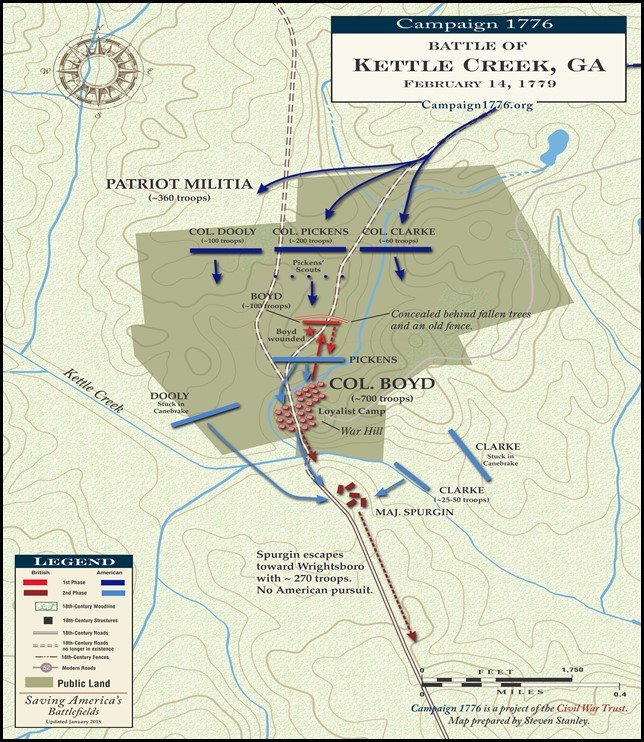
The Patriots were led by Colonel Andrew Pickens, a skilled and respected leader. He was joined by Elijah Clarke and John Dooly, both known for their courage. These leaders commanded a force of local militia. They were determined to fight for independence. Their men were mostly farmers and local settlers. Though inexperienced, they were motivated and brave.
Loyalist Commanders And Their Troops
On the other side, the Loyalists were led by Lieutenant Colonel John Boyd. He sought to rally support for the British Crown. Boyd’s force consisted of American Loyalists. Many were recruited from South Carolina and Georgia. They believed in remaining loyal to Britain. Boyd’s men hoped to quell the Patriot uprising. Despite their efforts, they faced strong resistance.
The Role Of Native American Allies
Native American tribes also played a role. Some sided with the British, seeking to protect their lands. Others supported the Patriots, hoping for peace and autonomy. Their involvement added complexity to the conflict. Both sides sought to gain favor with these tribes. The alliances formed were crucial to the battle’s outcome.

Credit: www.americanhistorycentral.com
Tactics And Battle Dynamics
The Battle of Kettle Creek played a key role in the American Revolutionary War. It demonstrated strategic military planning and courageous fighting. Understanding the tactics and dynamics can reveal why this battle was crucial.
The American forces, led by Colonel Andrew Pickens, executed their plans skillfully. Their tactics were decisive in the battle’s outcome. The British, led by Colonel James Boyd, faced unexpected challenges. Their plans did not account for the rugged terrain or the determination of the patriots.
Surprise Attack
The American forces launched a surprise attack on the British camp. This caught the British off guard. The element of surprise was crucial. It disrupted the British plans and created confusion among their ranks.
Terrain Advantage
The patriots used the terrain to their advantage. The dense woods provided cover. It allowed them to approach stealthily. The British forces were not prepared for this kind of warfare.
Effective Communication
Effective communication among American troops played a vital role. They coordinated their movements well. This ensured a unified attack. The British struggled with communication, leading to disorganization.
Morale And Determination
The patriots displayed high morale and determination. Their resolve was strong. The British forces underestimated this spirit. This mistake proved costly in the heat of battle.
Impact On The Revolutionary War
The Battle of Kettle Creek occurred due to growing tensions between British loyalists and American patriots. It was crucial in disrupting British plans and boosting morale for the patriots in Georgia. This victory helped sustain the revolutionary spirit and encouraged further resistance against British forces.
The Battle of Kettle Creek, though not as widely known as larger battles, had a profound impact on the Revolutionary War. This engagement proved that American forces could effectively challenge British troops and disrupt their strategies. It also boosted the morale of American patriots, demonstrating that the fight for independence was far from over.
The Shift In British Strategy
The British had hoped to gain loyalist support in the Southern colonies. Kettle Creek was a wake-up call. It showed them that winning hearts and minds was not as easy as they had anticipated. Can you imagine the frustration of British commanders? Their plans were thwarted by a seemingly minor skirmish. The loss forced them to reconsider their approach in the South.
Boost In Patriot Morale
The victory at Kettle Creek was a significant morale booster for the Patriots. They needed wins to keep the spirit of independence alive. Picture yourself in the shoes of a Patriot soldier. Knowing you can stand up to the might of the British army must have been empowering. These small victories were the fuel that kept the revolution burning.
Implications For Loyalist Forces
The defeat at Kettle Creek severely weakened loyalist forces in the region. Many loyalists began to rethink their allegiance. Would you stick with a losing side? The battle highlighted the vulnerability of loyalist support. It also made it clear that the British could not rely solely on loyalists to maintain control.
Long-term Consequences
The battle had long-term consequences for the Revolutionary War. It forced the British to divert resources and rethink their strategy in the Southern colonies. This shift in focus had ripple effects. The British were stretched thinner across different fronts. This gave American forces more opportunities to strike. Reflect on how small victories can lead to significant changes. What battles are you facing today that might seem insignificant but hold the potential for major impact? The Battle of Kettle Creek reminds us that every action counts in the larger scheme of things.
Credit: www.georgiaencyclopedia.org
Frequently Asked Questions
What Caused The Battle Of Kettle Creek?
The battle happened because loyalists wanted to control Georgia. Patriots fought to stop them and protect their land.
Who Fought In The Battle Of Kettle Creek?
Patriots and loyalists were the main groups. Patriots defended their territory against the British-backed loyalists.
What Was The Outcome Of The Battle Of Kettle Creek?
Patriots won the battle. Their victory boosted morale and disrupted loyalist plans in Georgia.
Conclusion
The Battle of Kettle Creek was a key moment in history. It showed the strength and determination of the American forces. This battle boosted morale for the Patriots. It was a turning point in the Southern campaign. The fight for independence gained momentum.
Local support played a crucial role. Understanding this battle helps us grasp its significance today. It reminds us of the courage of those who fought. Their legacy continues to inspire. The battle’s impact is felt even now. It highlights the importance of local resistance in wars.
Read more
- Where to Get Kettle Corn near Me: Best Local Spots
- How Long Does a Kettle Take to Boil? Speed Secrets Unveiled
- Can You Put Milk in Electric Kettle? Safe or Risky?

Natasha, founder of NatashasKitchenTips.com, shares easy, flavorful recipes and practical cooking tips to help home cooks feel confident in the kitchen. With a passion for simple, delicious meals, she inspires readers to cook with joy and creativity every day.