How to Remove Limescale from Tea Kettle? Easy and Effective Tips
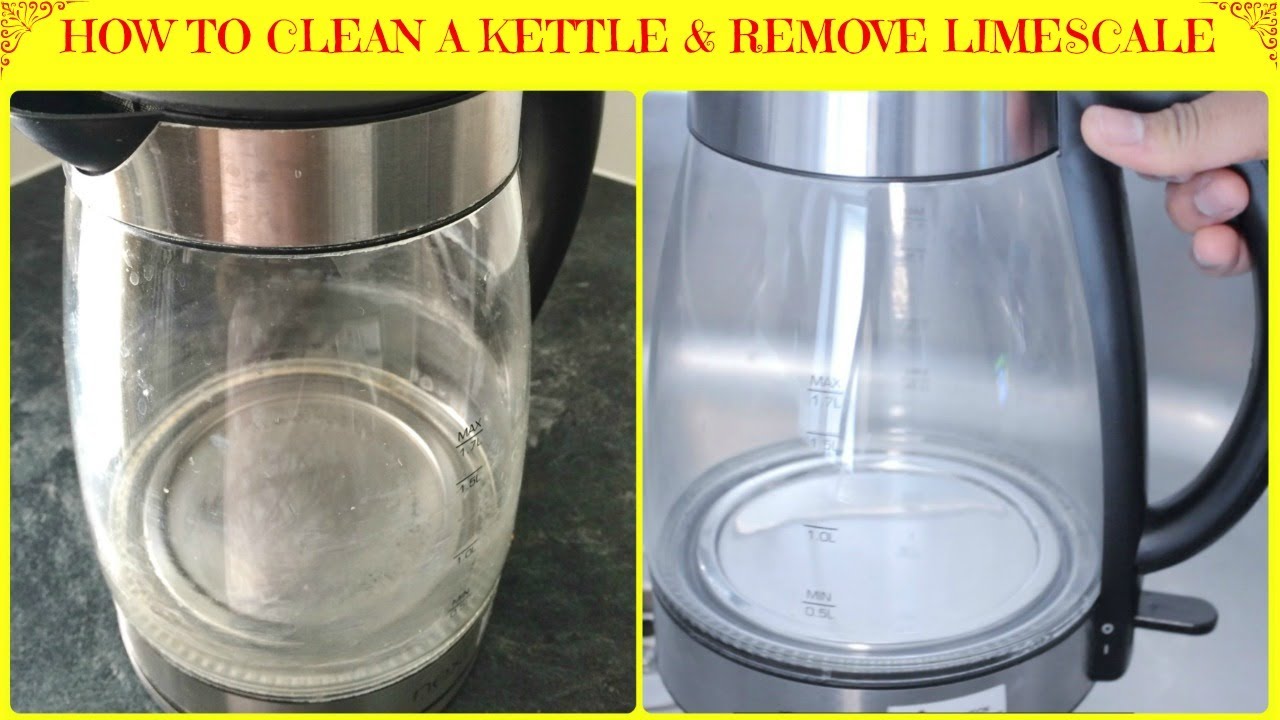
How to remove limescale from tea kettle? Fill the kettle with equal parts white vinegar and water. Boil the mixture, then let it sit for 30–60 minutes. Pour it out, scrub any remaining limescale, and rinse thoroughly. Boil fresh water once or twice to remove any vinegar residue before using the kettle again.
Is your tea kettle looking dull or feeling rough inside? That stubborn white crust, called limescale, can build up fast and affect the taste of your tea.
But don’t worry—removing it is easier than you think. You’ll discover simple, effective ways to get your kettle sparkling clean again. Keep reading, and you’ll soon enjoy fresher, better-tasting tea with a kettle that works like new.
How to Remove Limescale from Tea Kettle?
Credit: readytoeat.com
Causes Of Limescale Buildup
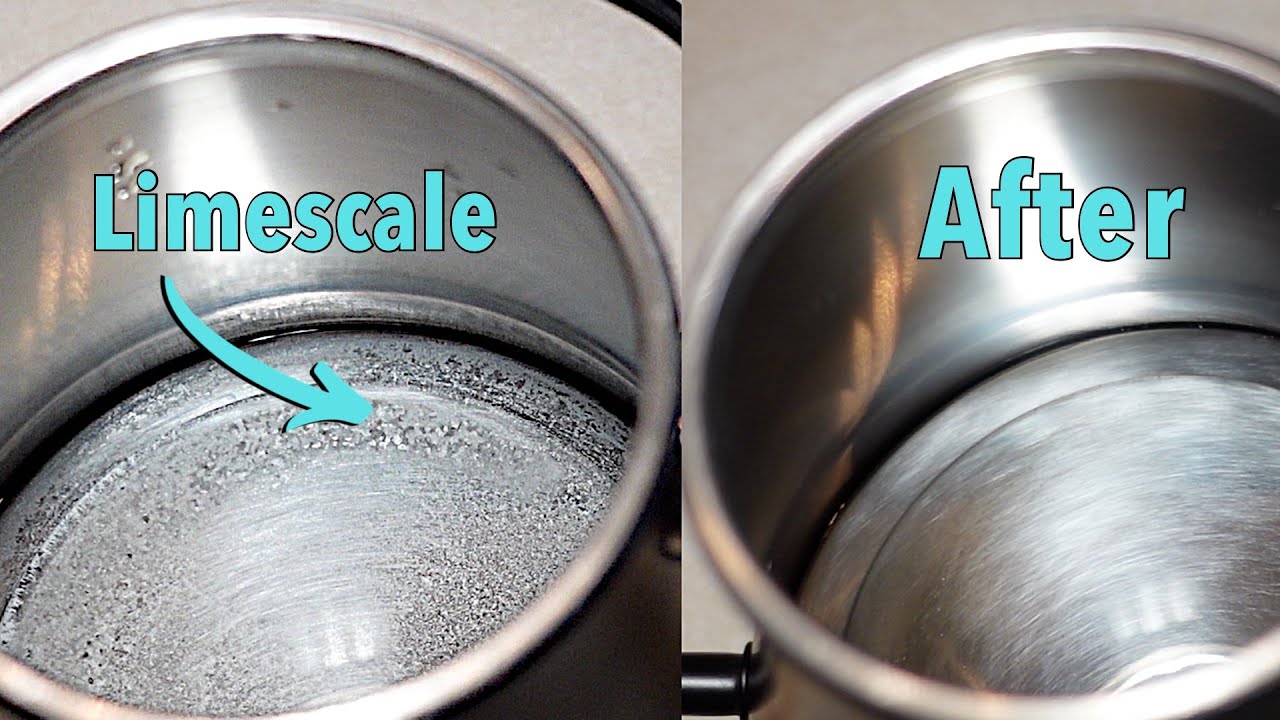
Limescale buildup in tea kettles is a common problem. It happens when minerals in water stick to the kettle’s surface. These minerals come from hard water. Hard water has high levels of calcium and magnesium.
Understanding the causes of limescale helps to prevent and remove it. Here are the main reasons limescale forms in tea kettles.
What Is Hard Water?
Hard water contains many minerals like calcium and magnesium. These minerals do not dissolve fully when water heats up. Instead, they settle and form a hard, chalky layer inside the kettle.
Heating Water Causes Mineral Deposit
Heating water causes minerals to separate from the water. The heat makes calcium and magnesium stick to the kettle’s walls. Over time, these deposits grow thicker and harder.
Frequent Use Increases Limescale
Using the kettle often means more water heats up each time. More heated water means more minerals left behind. This causes limescale to build up faster in the kettle.
Water Source Affects Limescale Amount
Water from wells or certain cities usually has more minerals. This water causes more limescale compared to soft water. Knowing your water type helps control limescale buildup.
Credit: scala-santa.com
Signs Of Limescale In Kettles
Limescale can build up inside tea kettles over time. It forms from minerals in hard water. This buildup affects the kettle’s look and function. Spotting limescale early helps keep your kettle clean and working well.
Recognizing the signs of limescale is easy. Look for changes inside and outside the kettle. These signs warn you that it needs cleaning.
White Or Chalky Deposits Inside The Kettle
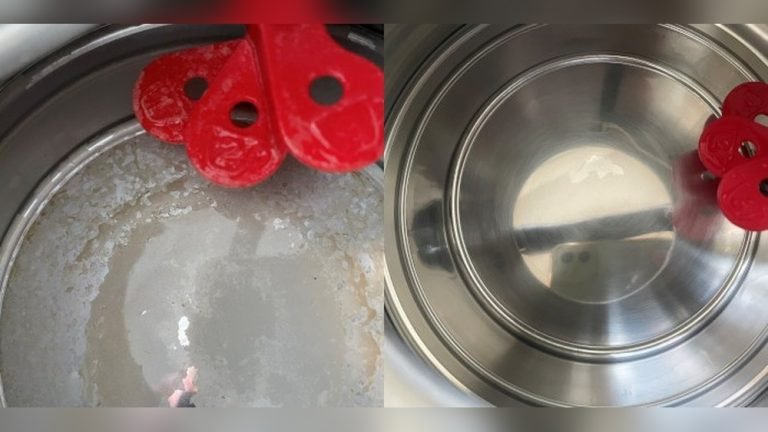
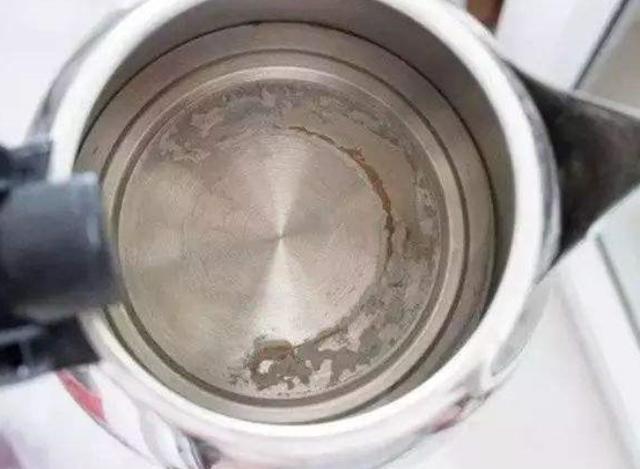
White or chalky spots usually appear inside the kettle. These deposits look like a crust or powder. They stick to the kettle’s bottom and sides. This is the most common sign of limescale.
Slow Boiling Or Strange Noises
Limescale can make the kettle boil water slower. You might hear strange noises like popping or crackling. These sounds come from mineral buildup heating unevenly.
Cloudy Or Discolored Water
Water from the kettle may look cloudy or have a strange color. This happens when limescale flakes break off inside. It can also affect the taste of tea or coffee.
Visible Stains On The Kettle’s Exterior
Sometimes limescale leaves stains outside the kettle. These stains look like white marks or streaks. They often appear around the spout or lid area.
Natural Cleaning Methods
Natural cleaning methods use common household items to remove limescale safely. They avoid harsh chemicals that can harm your kettle or health. These methods work well and cost very little. You can easily follow these steps to clean your tea kettle.
Using Vinegar
Pour equal parts of water and white vinegar into the kettle. Fill it until the limescale is covered. Heat the mixture until it boils. Let it sit for 30 minutes to an hour. Afterward, pour out the liquid. Rinse the kettle thoroughly with fresh water. Use a soft brush to scrub any remaining limescale. Vinegar’s acidity breaks down the mineral deposits effectively.
Using Lemon Juice
Fill the kettle halfway with water. Add lemon juice or fresh lemon slices. Boil the water and lemon mixture. Allow it to cool for 30 minutes. Pour out the liquid and rinse well. Lemon juice helps dissolve limescale and leaves a fresh scent. Repeat if stubborn limescale remains.
Commercial Descaling Products
Commercial descaling products offer a quick and effective way to remove limescale from your tea kettle. These products contain ingredients that dissolve mineral build-up fast. Using them helps keep your kettle clean and working well.
Many commercial descalers are safe for metal and plastic kettles. They often come in liquid or powder form. Just follow the instructions on the package for best results.
How To Use Commercial Descaling Products
Pour the recommended amount of descaler into your kettle. Add water as instructed. Let the solution sit for the time suggested. Then, rinse the kettle thoroughly with clean water. This process removes limescale effectively.
Benefits Of Using Commercial Descalers
These products save time and effort. They break down tough limescale quickly. Using them regularly prevents heavy build-up. Your kettle lasts longer and heats water faster.
Safety Tips For Using Descaling Products
Wear gloves to protect your skin. Avoid inhaling fumes from the product. Rinse the kettle well before using it again. Keep descalers away from children and pets.
Preventing Future Limescale
Preventing limescale buildup in your tea kettle saves time and effort. A clean kettle heats water faster and lasts longer. Simple habits can stop limescale from forming again. These habits keep your kettle fresh and working well.
Regular Cleaning Routine
Clean your kettle every few weeks. Use a mixture of water and vinegar to remove small deposits. Rinse well to avoid taste changes. Wipe the outside to keep it shiny. Regular cleaning stops hard buildup from growing.
Using Filtered Water
Tap water often has minerals that cause limescale. Using filtered water lowers these minerals. This reduces how much limescale forms inside the kettle. Filtered water keeps your kettle cleaner for longer. It also improves the taste of your tea.
Credit: www.aolga-hk.com
Frequently Asked Questions
How Do I Remove Limescale From A Tea Kettle Naturally?
Use vinegar or lemon juice. Fill the kettle, boil, then rinse well to remove limescale.
Can Baking Soda Help Clean Limescale In Kettles?
Yes, mix baking soda with water, boil in the kettle, then scrub gently to remove deposits.
How Often Should I Descale My Tea Kettle?
Descale every 1-3 months depending on water hardness to keep your kettle clean and working well.
Conclusion
Removing limescale from your tea kettle keeps it working well. Use natural items like vinegar or lemon for easy cleaning. Regular cleaning stops buildup and keeps water tasting fresh. Clean kettles last longer and save energy too. Small steps help maintain your kettle’s good condition.
Keep your tea tasting great with simple care. Try these tips to enjoy hot drinks every day. A clean kettle makes a big difference.
Read More