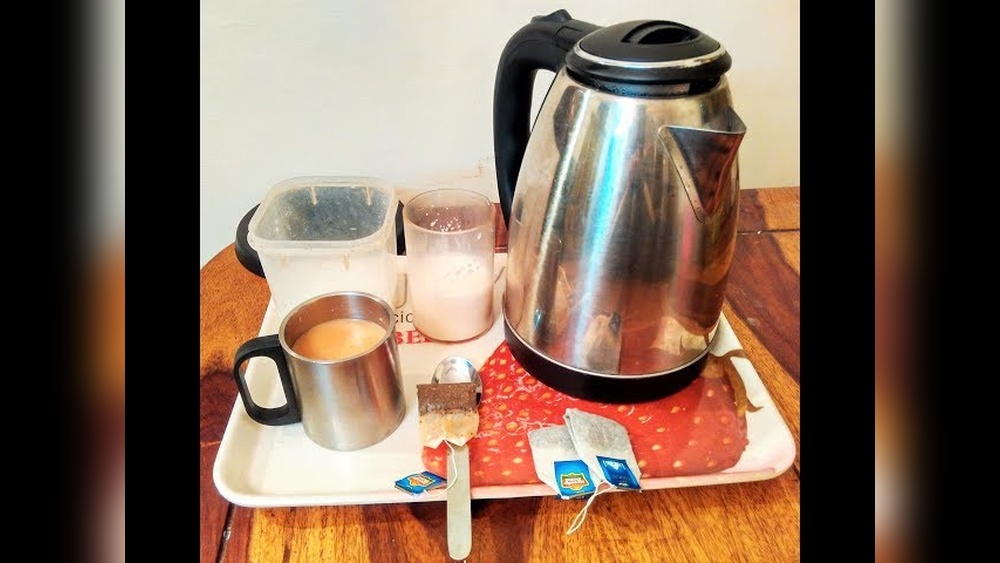
How to Make Tea With a Kettle? Easy Steps for Perfect Flavor
How to make tea with a kettle? Fill the kettle with fresh water and bring it to a boil. Place tea leaves or a tea bag in a cup or teapot. Pour the hot water over the tea, steep for 3–5 minutes (depending on type), then remove the tea leaves or bag and enjoy your tea.
Making a perfect cup of tea starts with one simple tool: a kettle. Whether you’re rushing through your morning routine or settling down for a quiet moment, knowing how to make tea with a kettle can transform your experience.
Imagine the steam rising, the aroma filling the air, and that first warm sip comforting you instantly. In this guide, you’ll discover easy steps that anyone can follow, ensuring your tea is just right every time. Ready to unlock the secret to a better cup of tea?
How to Make Tea With a Kettle?

Credit: destinationtea.com
Choosing The Right Kettle
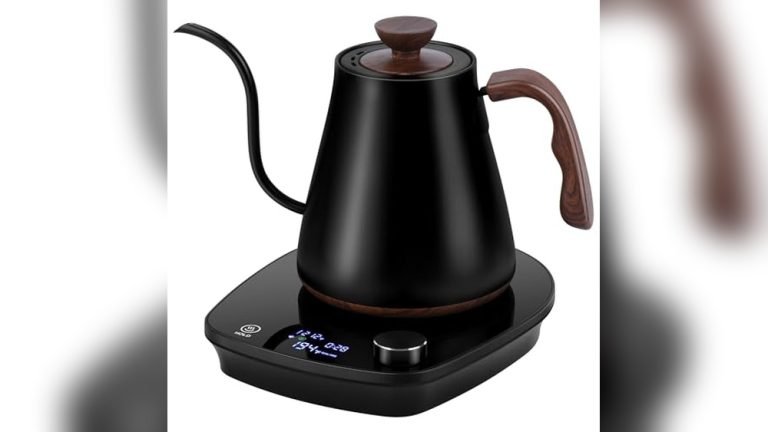
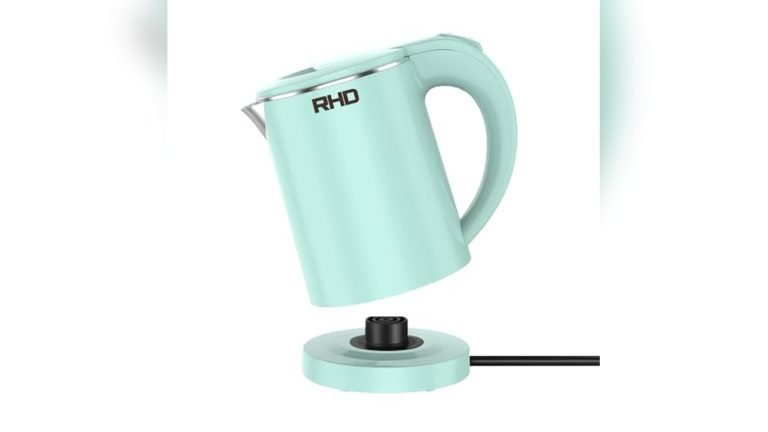
Choosing the right kettle is key to making a perfect cup of tea. The right kettle boils water quickly and safely. It fits your kitchen style and needs. Understanding different types, materials, and sizes helps you pick the best one.
Types Of Kettles
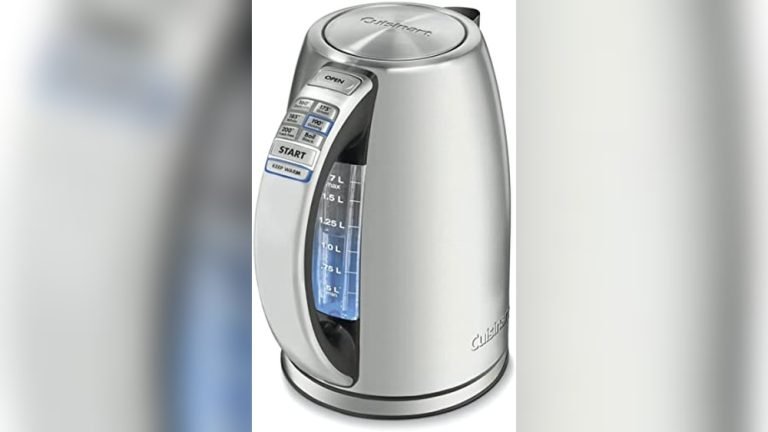
Electric kettles heat water fast. They stop automatically when water boils. Stove-top kettles work on gas or electric burners. They often whistle to signal boiling. Each type has its own charm and uses.
Material Matters
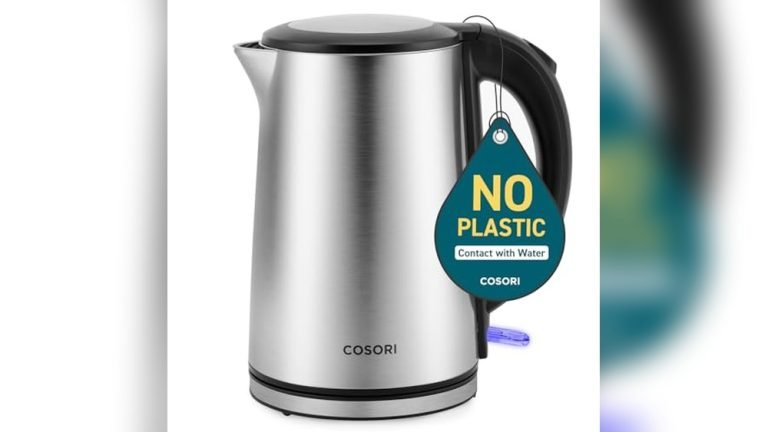
Stainless steel kettles are durable and easy to clean. Glass kettles let you see the water boil. They add a modern look to your kitchen. Copper kettles heat evenly but need more care. Choose material that suits your style and use.
Size And Capacity
Kettles come in many sizes. Small kettles are good for one or two cups. Larger kettles serve families or guests. Think about how much tea you drink daily. Pick a size that matches your tea habits.
Selecting Quality Tea Leaves
Selecting quality tea leaves is key to making great tea with a kettle. The flavor and aroma depend on the leaves you choose. Fresh, good-quality leaves bring out the best taste. Poor quality leaves can make tea bitter or dull. Understanding different tea types helps you pick the right one. Proper storage keeps leaves fresh longer. Let’s explore the basics of choosing tea leaves.
Loose Leaf Vs. Tea Bags
Loose leaf tea offers more flavor and freshness than tea bags. Leaves are larger and less crushed. This helps the tea release more oils and taste. Tea bags often contain smaller, broken leaves or dust. They brew faster but may lack depth in flavor. Loose leaf tea allows better control of strength. Many tea lovers prefer loose leaves for a richer cup.
Popular Tea Varieties
Black tea is strong and full-bodied. It suits morning or evening drinking. Green tea is lighter with a fresh, grassy taste. It is rich in antioxidants. Oolong tea falls between black and green. It has a floral and fruity aroma. White tea is delicate and mild. It has a subtle sweetness. Herbal teas come from flowers and herbs. They contain no actual tea leaves but offer many flavors.
Storage Tips
Store tea leaves in a cool, dry place. Use airtight containers to keep moisture out. Avoid sunlight to protect flavor and color. Keep tea away from strong smells. Leaves can absorb odors easily. Use dark containers or tins for best results. Proper storage preserves freshness and taste for weeks.
Heating Water To Ideal Temperature
Heating water to the right temperature is key to making great tea. Water that is too hot or too cool can change the taste. Different types of tea need different temperatures to bring out their best flavors. Using the right heat helps keep the tea smooth and fresh.
Temperature For Different Teas
Green tea tastes best with water around 160°F to 180°F. Black tea needs hotter water, about 200°F to 212°F. White tea is gentle, so heat water to 160°F to 185°F. Herbal teas vary, but usually, 208°F works well. Knowing these temperatures helps your tea taste just right every time.
Using A Thermometer
A thermometer shows the exact water temperature. It helps avoid guessing and makes your tea perfect. Use a kitchen or tea thermometer to check the heat. Place it in the water and wait for the reading. This simple tool can improve your tea’s flavor a lot.
Avoiding Overheating
Boiling water too long can taste flat or burnt. Turn off the kettle as soon as it boils. Let water cool a little for delicate teas. Overheated water can burn tea leaves and spoil the flavor. Careful heating keeps your tea fresh and tasty.

Credit: destinationtea.com
Brewing Techniques For Best Flavor
Brewing tea with a kettle is simple, but small details change the taste a lot. Using the right brewing techniques helps to bring out the best flavors in your tea. Pay attention to steeping time, pouring methods, and how strong you want your tea. These steps make a big difference in the cup you enjoy.
Steeping Times
Different teas need different steeping times. Black tea usually needs 3 to 5 minutes. Green tea should steep for 2 to 3 minutes to avoid bitterness. Herbal teas often take 5 to 7 minutes to release full flavor. Watch the clock and do not over-steep. Over-steeping makes tea bitter and unpleasant.
Proper Pouring Methods
Pour water gently over the tea leaves. Use a slow, steady stream to avoid breaking leaves. This lets the tea release flavors evenly. Avoid pouring boiling water directly on delicate leaves like green tea. Let the water cool a bit before pouring for better taste. Pouring the right way improves aroma and flavor balance.
Adjusting Strength
Tea strength depends on leaf amount and steeping time. Add more leaves for a stronger cup. Use fewer leaves for a lighter taste. You can also change steeping time to adjust strength. Taste your tea and adjust for next time. Find the strength you like best for every kind of tea.
Serving And Enhancing Your Tea
Serving and enhancing your tea can turn a simple drink into a delightful experience. The way you serve tea affects its taste and enjoyment. Small touches can make your tea time special. Focus on the cups, additions like sweeteners and milk, and the overall presentation.
Choosing Cups And Teapots
Select cups that feel good in your hand. Porcelain or ceramic cups keep tea warm longer. Teapots with a good spout pour smoothly without dripping. Clear glass teapots show the tea’s color, adding beauty. Match the size of the cup to the type of tea you serve.
Adding Sweeteners And Milk
Sugar, honey, or syrup can sweeten your tea gently. Use small amounts to keep tea’s flavor clear. Milk softens strong teas like black tea. Add milk after pouring tea to avoid curdling. Try lemon for a fresh, tangy twist without milk.
Presentation Tips
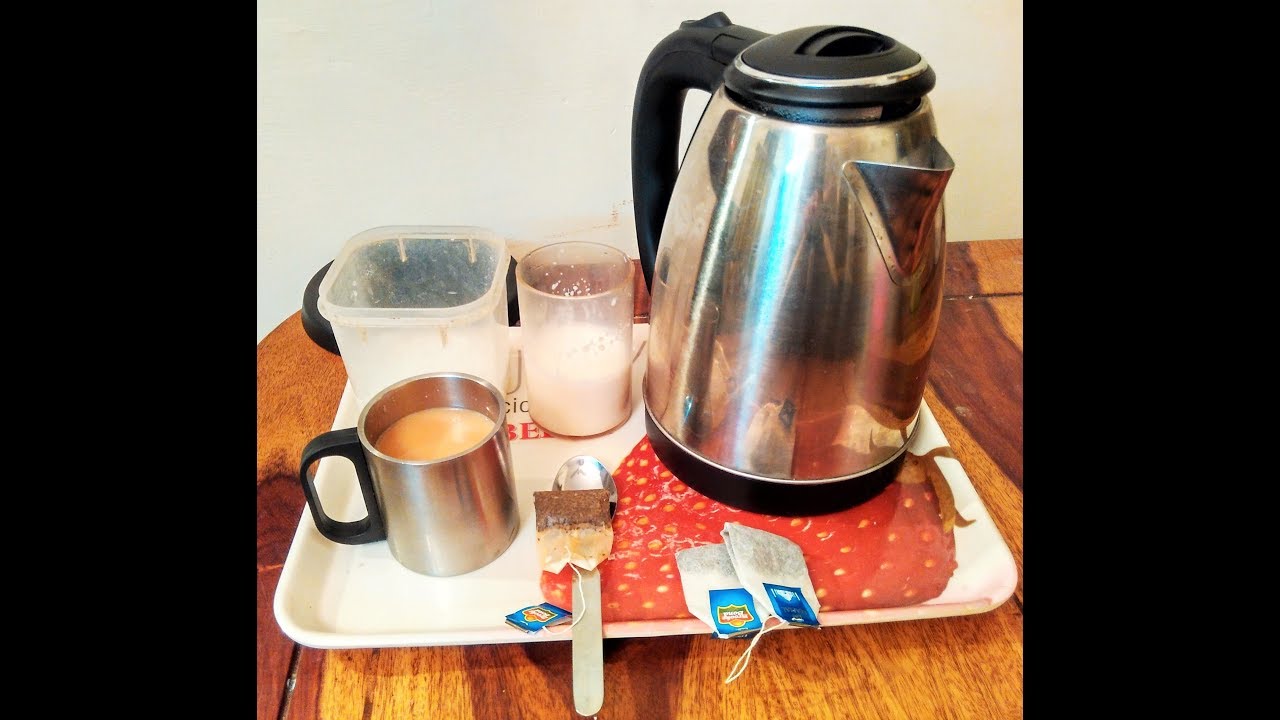
Arrange cups and teapot neatly on a tray. Use a small plate for biscuits or snacks. Fresh flowers or a cloth napkin add charm. Pour tea with care and attention. Serve tea immediately to enjoy its best taste and warmth.
Credit: www.youtube.com
Frequently Asked Questions
How Do I Boil Water Correctly In A Kettle For Tea?
Fill the kettle with fresh water, then heat it until it boils. Stop once you see steam or hear boiling sounds.
What Type Of Kettle Is Best For Making Tea?
Electric kettles heat water quickly, while stovetop kettles offer a classic feel. Choose based on your preference and convenience.
How Long Should I Steep Tea After Boiling Water In A Kettle?
Steep tea leaves for 3 to 5 minutes after pouring hot water. Adjust time for stronger or lighter flavor.
Conclusion
Making tea with a kettle is simple and quick. Boil fresh water, pour it over tea leaves or bags, and wait a few minutes. Adjust steeping time for stronger or lighter tea. Enjoy your warm drink anytime you want. This basic method works well for all types of tea.
Practice a few times, and you’ll feel confident. A good cup of tea starts with hot water and care. Keep experimenting to find your perfect brew.
Read More