How to Clean Kettle Lemon? Easy DIY Guide
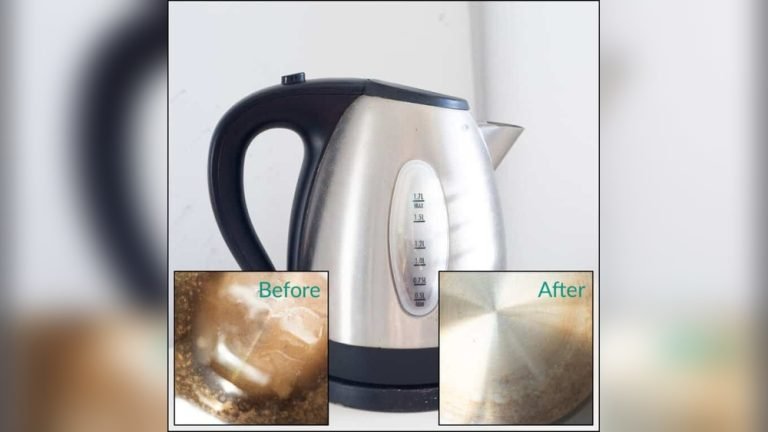
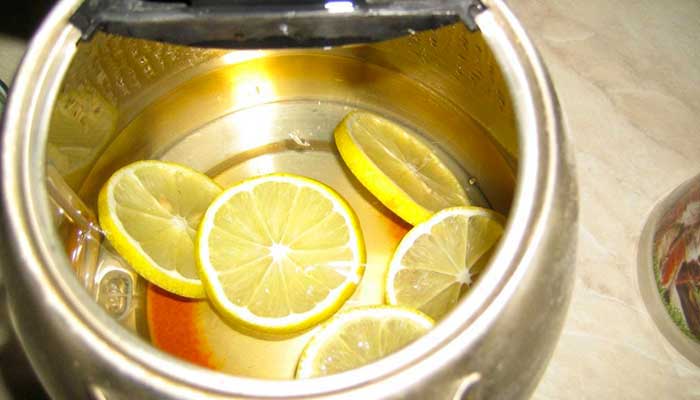
How to clean kettle lemon? Fill the kettle halfway with water, add slices of one lemon, and bring it to a boil. Let it sit for 30 minutes to loosen limescale. Pour out the water, scrub gently if needed, then rinse thoroughly with fresh water before using the kettle again.
Your once shiny kettle is now marred with unsightly limescale and mineral deposits. Not exactly the best start to your day, right? But don’t worry; you’re not alone in this. Kettles, being the workhorses they are, often accumulate these deposits over time, especially if you live in an area with hard water.
Cleaning your kettle doesn’t have to be a daunting task, and believe it or not, a simple lemon can be your hero. Yes, that zesty fruit sitting in your fridge can transform your kettle back to its sparkling glory. But how exactly do you do it? And why does lemon work so well? Stay with us as we unveil the secrets of using lemon to clean your kettle, making your mornings brighter and your drinks tastier. Dive in to discover the simple steps and the science behind this natural, effective cleaning method that will have your kettle looking brand new in no time.

Credit: www.youtube.com
How to Clean Kettle Lemon?
Benefits Of Using Lemon For Cleaning
Lemon juice effectively cleans kettles, removing mineral deposits and stains. Its natural acidity breaks down buildup without harsh chemicals. Simply boil a mixture of water and lemon juice, let it sit, and rinse to reveal a sparkling kettle. This eco-friendly solution ensures a fresh and hygienic appliance.
Cleaning your kettle with lemon is more than just a natural remedy; it’s a game changer for your kitchen routine. You might be surprised at how a simple lemon can transform your kettle cleaning process into an efficient, eco-friendly task. Not only does it tackle hard water stains, but it also leaves behind a fresh scent that synthetic cleaners can’t replicate.
Environmentally Friendly
Using lemon for cleaning is a small step towards a greener lifestyle. Unlike chemical cleaners, lemons are biodegradable and do not harm the environment. When you use lemon, you’re reducing your carbon footprint. It’s a refreshing change from harsh chemicals that end up polluting waterways. Imagine the satisfaction of cleaning your kettle without contributing to environmental harm. You become part of the solution, not the problem.
Cost-effective
Have you ever calculated how much you spend on cleaning products each year? Lemons are a budget-friendly alternative. A single lemon can clean your kettle multiple times. It’s an economical choice that saves you money without compromising on effectiveness. Next time you see lemons on sale, think of them as more than just a cooking ingredient—they’re your wallet’s best friend.
Natural Antibacterial Properties
Lemon juice has natural antibacterial properties. This means it helps eliminate bacteria and germs lurking in your kettle. Unlike chemical cleaners, lemons sanitize without leaving behind harmful residues. It’s a clean you can feel good about. Think about the peace of mind knowing your kettle is not only clean but also germ-free—thanks to the power of lemon.
A Pleasant Aroma
One of the most delightful benefits of using lemon is the fragrance it leaves behind. Unlike chemical cleaners that often have a harsh smell, lemon imparts a fresh, citrusy aroma. The next time you boil water, notice the refreshing scent that fills your kitchen. It’s like a breath of fresh air every time you make tea or coffee. Doesn’t it feel great to have a kitchen that smells naturally clean without artificial fragrances?
Effective Against Hard Water Stains
If you live in an area with hard water, you know how stubborn those stains can be. Lemon is incredibly effective at breaking down these mineral deposits. You’ll be amazed at how easily lemon cuts through the grime, leaving your kettle looking shiny and new. Why struggle with stains when a simple lemon can do the job? It’s nature’s remedy, waiting to be used. So, next time your kettle needs a clean, reach for a lemon. You’ll benefit from a cleaner kettle, a greener environment, and maybe even a little extra cash in your pocket. What other cleaning tasks could lemon transform in your home?
Credit: www.thebestrated.co.uk
Essential Tools And Ingredients
Lemon is a powerful natural cleaner for kettles. Essential tools include a soft cloth and a small brush. Simply use lemon slices and water to remove limescale and stains, leaving your kettle sparkling clean.
Cleaning your kettle with lemon is not only effective but also eco-friendly. It leaves your kettle sparkling and smelling fresh. Before starting, gather the right tools and ingredients to make the process smooth and efficient. You might already have most of these items in your kitchen.
Tools You Will Need
– Soft Sponge or Cloth: A gentle sponge or cloth is perfect for scrubbing without scratching your kettle’s surface. – Measuring Cup: Helps in ensuring the right amount of water and lemon juice is used. – Knife: Necessary for slicing the lemon into halves or wedges. – Pot Holder or Glove: Protect your hands from heat when handling the kettle after boiling.
Essential Ingredients
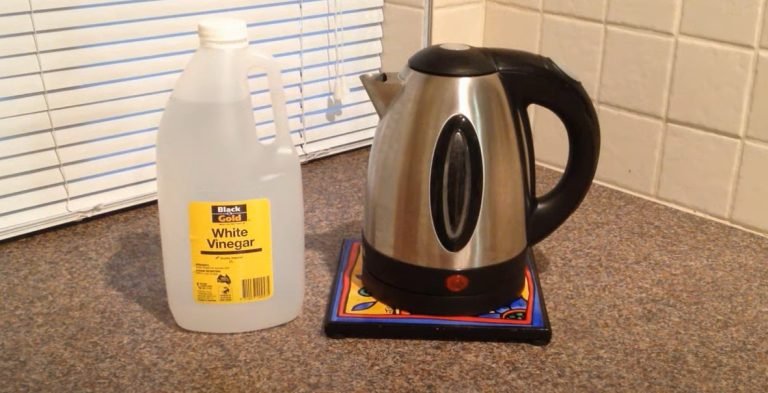
– Fresh Lemon: Lemons are natural cleaners. Their acidity helps in breaking down mineral deposits. – Water: Use tap water for boiling. It helps in distributing lemon juice evenly inside the kettle. – Optional: White Vinegar: If your kettle is extremely scaled, a splash of white vinegar can enhance the cleaning action.
Why Lemons And Not Chemicals?
Lemons are safe, natural, and leave no harmful residues. While chemical cleaners might promise quick results, they can harm your kettle and leave unpleasant tastes in your water. Have you ever tried using lemons to clean other kitchen items? You might find they work wonders beyond just the kettle.
Preparation Tips
Make sure the kettle is unplugged and cooled before cleaning. Safety always comes first. Cut the lemon in halves or wedges—this makes squeezing and placing them in the kettle easier. Measure out about two cups of water or enough to cover the kettle’s base. This ensures even distribution of heat and lemon juice. By having the right tools and ingredients, you set yourself up for an easy and successful cleaning session. Keep these items handy, and your kettle will remain in top condition, ready to brew your favorite tea or coffee.
Step-by-step Cleaning Process
Cleaning your kettle with lemon is a natural and efficient method. This process not only removes limescale but also leaves a fresh scent. Follow these simple steps to maintain a sparkling clean kettle. Using lemon is both eco-friendly and cost-effective. Let’s dive into the step-by-step cleaning process.
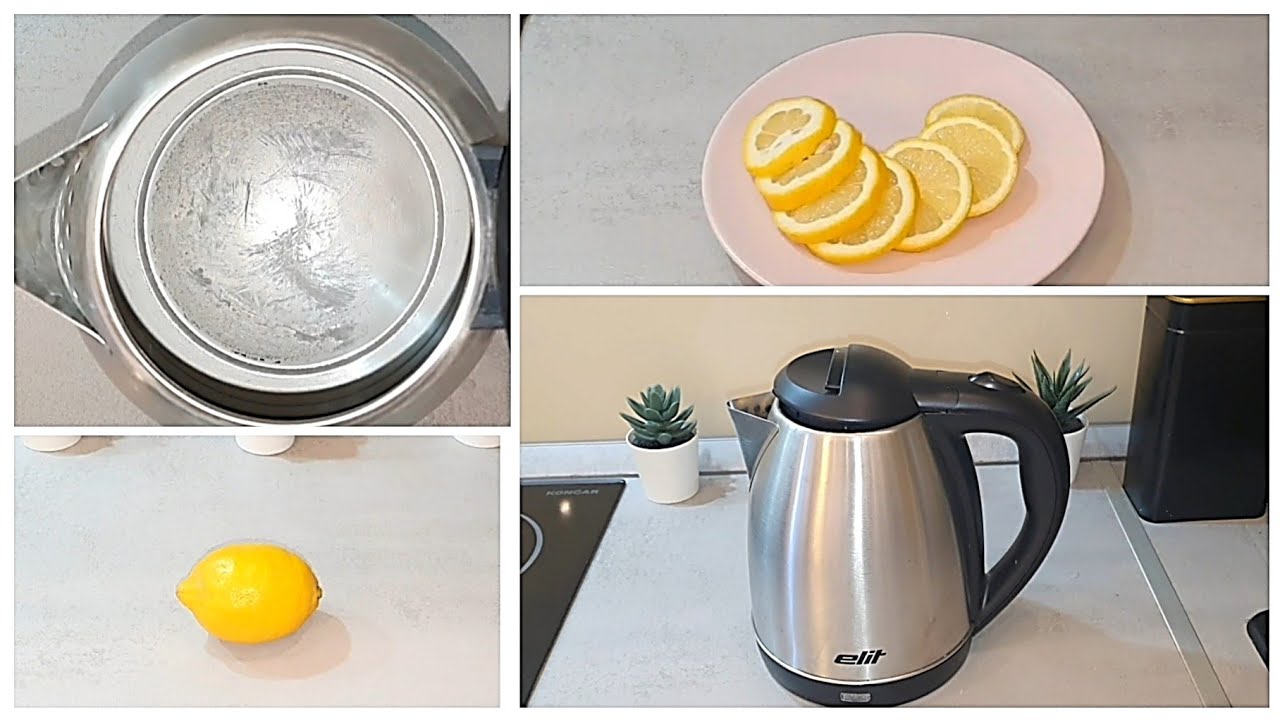
1. Gather Your Supplies
You will need a lemon, water, and a soft cloth. Ensure the lemon is fresh for best results. A knife for cutting the lemon is also necessary.
2. Prepare The Lemon
Slice the lemon into several pieces. The juice and peel will both be useful. Ensure you remove any seeds from the slices.
3. Fill The Kettle With Water
Pour half a kettle of water. The water should cover the heating element. This ensures thorough cleaning.
4. Add The Lemon Slices
Place the lemon slices into the water. Ensure they are fully submerged. The acidity helps break down limescale.
5. Boil The Kettle
Turn on the kettle and let it boil. The heat activates the lemon’s cleaning power. Allow the water to cool for 15 minutes.
6. Scrub The Interior
Use a soft cloth to scrub inside. Focus on areas with visible limescale. The lemon will have loosened the buildup.
7. Rinse Thoroughly
Empty the kettle and rinse with fresh water. Ensure no lemon residue remains. Repeat the rinse to ensure cleanliness.
8. Dry The Kettle
Use a dry cloth to wipe the kettle. Ensure the interior and exterior are dry. This prevents future limescale buildup.
Following these steps regularly keeps your kettle in top condition. Enjoy a clean kettle with a refreshing lemon scent.
Credit: www.youtube.com
Tips For Maintaining A Clean Kettle
Cleaning a kettle with lemon is simple. Slice a lemon and boil it in water inside the kettle. Lemon’s acidity helps remove mineral deposits, leaving your kettle sparkling clean and fresh. Regular lemon cleaning keeps the kettle in top condition, ensuring efficient boiling.
Keeping your kettle clean is essential not just for its longevity, but also for ensuring your hot beverages taste their best. With the simple and natural method of using lemon, you can maintain your kettle effortlessly. Here are some practical tips to ensure your kettle remains in top condition. Whether you’re an avid tea drinker or just someone who enjoys a hot cup of water, these tips will help you maintain a sparkling clean kettle without much hassle.
Regular Cleaning Routine
Establish a regular cleaning schedule for your kettle. A quick rinse with water after each use can prevent residue buildup. Set a monthly reminder to deep clean with lemon, ensuring that any limescale is tackled effectively.
Use Fresh Lemons
Always opt for fresh lemons when cleaning your kettle. Fresh lemons not only work better but also leave a pleasant aroma. Slice a lemon, squeeze its juice into the kettle, and toss in the slices for best results.
Be Mindful Of Water Quality
The type of water you use can impact how often you need to clean your kettle. Hard water often leads to more limescale. Consider using filtered water to reduce buildup and keep your kettle cleaner for longer.
Inspect And Replace
Regularly inspect your kettle for any signs of wear or damage. If the limescale seems persistent or the kettle takes longer to boil, it might be time for a replacement. A well-maintained kettle not only performs better but also ensures your drinks are healthy and safe.
Store Properly
Proper storage is key to keeping your kettle in good shape. Ensure it’s dry before storing and avoid leaving water in it for long periods. A dry kettle is less likely to develop limescale or rust.
Engage With Your Senses
Notice any changes in taste or smell when you use your kettle. A metallic taste or odd odor might indicate it’s time for a clean. Trust your senses to guide you in maintaining a clean and healthy kettle. By adopting these simple yet effective tips, you can enjoy a perfectly clean kettle every day. How often do you find yourself cleaning your kettle? Try these methods and see the difference it makes!
Common Mistakes To Avoid
Cleaning a kettle with lemon can be tricky. Avoid using too much lemon juice, which can damage the kettle. Also, don’t forget to rinse thoroughly to remove all lemon residue.
Cleaning a kettle with lemon is a natural method. It helps remove limescale and freshens the interior. But many make common mistakes, reducing its effectiveness. Avoid these missteps to ensure a spotless kettle.
1. Not Using Enough Lemon
A small lemon won’t clean a large kettle. Use a generous amount of lemon slices or juice. This ensures the acid effectively tackles all limescale.
2. Skipping The Boiling Step
Some skip boiling after adding lemon. Boiling activates the lemon’s cleaning power. Always boil the kettle with lemon water inside.
3. Leaving Lemon Residue
Rinsing once may not remove all lemon bits. Rinse the kettle several times. This ensures no citrus residue remains.
4. Using Cold Lemon Water
Cold water doesn’t dissolve limescale well. Always use warm water with lemon. It enhances the cleaning process.
5. Ignoring Regular Cleaning
Waiting too long between cleanings can cause heavy buildup. Clean your kettle monthly with lemon. This prevents stubborn limescale layers.
6. Not Scrubbing Stubborn Areas
Lemon alone may not remove tough spots. Use a soft brush on stubborn stains. It aids in loosening the limescale.
7. Overlooking The Spout
The spout can harbor buildup too. Pour lemon water through the spout. This ensures a thorough clean. Avoid these mistakes for a fresh and efficient kettle. Your morning tea will taste better, and your appliance will last longer.
Frequently Asked Questions
Can I Clean My Kettle With Lemon?
Yes, you can clean your kettle with lemon. Slice a lemon and boil it with water in the kettle. This removes limescale and leaves a fresh scent. After boiling, rinse thoroughly to ensure no lemon residue remains. Regular cleaning helps maintain your kettle’s efficiency and extends its lifespan.
What Is The Best Thing To Clean The Inside Of A Kettle?
Use a mixture of equal parts water and vinegar to clean a kettle’s interior. Boil the solution, let it cool, then scrub with a brush. Rinse thoroughly to remove residue. This method effectively removes limescale and keeps the kettle fresh, ensuring optimal performance and longevity.
Can You Get Rid Of Limescale With Lemon?
Yes, lemon can effectively remove limescale. The citric acid in lemon breaks down limescale deposits. Simply rub lemon juice or slices on affected areas and rinse thoroughly. This natural method is eco-friendly and safe for most surfaces. Avoid using lemon on delicate materials that may react adversely.
Conclusion
Cleaning a kettle with lemon is simple and effective. Lemons naturally remove stains and odors. Plus, it’s eco-friendly and safe. The fresh scent of lemon brightens your kitchen. Regular cleaning keeps your kettle in top shape. Just slice a lemon, boil, and let it sit.
Rinse thoroughly after. Enjoy a clean kettle and better-tasting tea. Remember, consistency is key. Regular maintenance prevents build-up. So, make this a monthly habit. Your kettle will thank you! Now, you know how easy it is. Happy cleaning!
Related Article
- 11008 Kettle Run Rd Nokesville Va: Discover Your Dream Home
- Wood Stove Humidifier Kettle: Boost Comfort & Warmth
- How to Clean Cast Iron Kettle? Expert Tips & Tricks
- How to Clean a Tea Kettle With Vinegar? Easy Guide

Natasha, founder of NatashasKitchenTips.com, shares easy, flavorful recipes and practical cooking tips to help home cooks feel confident in the kitchen. With a passion for simple, delicious meals, she inspires readers to cook with joy and creativity every day.