How to Descale Kettle With Lemon Juice And Vinegar: Easy & Effective
Is your kettle taking longer to boil or making strange noises? That’s likely due to limescale buildup inside.
Descaling your kettle regularly is essential to keep it working efficiently and to extend its lifespan. The good news is, you don’t need expensive products or harsh chemicals. You can easily descale your kettle using simple household items like lemon juice and vinegar.
You’ll discover step-by-step how to do it quickly and safely, saving you time and money while making your kettle as good as new. Keep reading—you’ll be surprised how simple and effective this natural method is!
Credit: www.breezeresidency.com
Why Descale Your Kettle
Descaling your kettle is important for many reasons. Over time, minerals from water build up inside the kettle. This build-up is called limescale. It looks like white or chalky deposits.
Limescale can cause problems with your kettle. It affects how fast the kettle heats water. It can make your kettle noisy or less efficient. This means you will use more electricity or gas.
Removing limescale helps your kettle last longer. It keeps the water tasting fresh and clean. Descaling also stops the kettle from breaking down early.
Protect Your Kettle’s Heating Element
Limescale sticks to the heating element inside the kettle. This layer acts like a barrier. It stops heat from moving to the water well. The kettle uses more power and works harder.
Descaling removes this barrier. It keeps the heating element clean and working properly. This helps the kettle heat water faster and saves energy.
Improve Water Taste And Quality
Limescale changes how water tastes. It can make water taste bitter or strange. This affects tea, coffee, and other hot drinks. Clean water tastes better and is healthier.
Descaling your kettle removes limescale and other minerals. It improves water quality for better tasting drinks every time.
Extend The Life Of Your Kettle
Limescale build-up puts stress on your kettle parts. It can cause leaks or damage over time. Cleaning your kettle regularly keeps it in good shape.
Descaling helps avoid costly repairs or early replacement. It keeps your kettle working well for many years.
Benefits Of Lemon Juice And Vinegar
Lemon juice and vinegar work well to remove lime scale from kettles. They are natural, safe, and easy to use for cleaning. These ingredients help keep your kettle working better and lasting longer.
Natural Cleaning Power
Lemon juice and vinegar both have strong natural acids. These acids break down mineral deposits inside the kettle. This helps remove limescale without harsh chemicals. They clean well and keep your kettle safe.
Safe For Health
Using lemon juice and vinegar is safe for your health. They do not leave harmful residues. This means your water stays clean and fresh. No chemical taste or smell remains after cleaning.
Cost-effective Solution
Lemon juice and vinegar are cheap and easy to find. You do not need expensive cleaners. This makes descaling your kettle affordable. A simple kitchen staple can solve the problem.
Environmentally Friendly
Both ingredients are natural and biodegradable. They do not harm the environment. Using them reduces the use of plastic bottles and chemicals. This helps protect nature and water sources.
Fresh Scent
Lemon juice leaves a fresh, citrus smell. Vinegar’s strong odor disappears after rinsing. Your kettle will smell clean and pleasant. No bad odors stay behind after descaling.
Preparing Your Kettle For Descaling
Preparing your kettle for descaling is an important first step. It helps the lemon juice and vinegar work better. Proper preparation removes loose dirt and debris. This makes the cleaning process more effective. Follow these simple steps before starting to descale your kettle.
Empty The Kettle Completely
Make sure your kettle has no water inside. Pour out any leftover water. This prevents dilution of the lemon juice and vinegar. A dry kettle allows the descaling solution to reach all areas.
Unplug The Kettle
Always unplug your kettle before cleaning. This keeps you safe from electric shock. Safety should come first in every cleaning task.
Remove Any Removable Parts
Take off the lid and any filters if possible. Clean these parts separately with warm soapy water. Removing them helps the lemon juice and vinegar clean well.
Wipe The Exterior
Use a damp cloth to wipe the outside of the kettle. This removes dust and stains. A clean surface makes the kettle look better after descaling.

Credit: www.wikihow.com
Step-by-step Descaling With Lemon Juice
Descaling your kettle with lemon juice is a natural and safe way to remove limescale buildup. The acid in lemon juice breaks down mineral deposits quickly. This step-by-step guide makes the process simple and effective. It uses ingredients you likely have in your kitchen.
Prepare The Kettle And Lemon Juice
First, fill the kettle with water until half full. Cut one or two lemons into slices. Squeeze the lemon juice into the water. Add the lemon slices to the kettle for extra cleaning power.
Boil The Lemon Water
Turn on the kettle and let the lemon water boil. The hot water helps the acid dissolve the limescale. Once it boils, turn off the kettle and unplug it. Let the lemon water sit inside for 30 minutes.
Scrub And Rinse The Kettle
After 30 minutes, pour out the lemon water. Use a soft sponge or cloth to scrub the inside gently. Focus on areas with visible limescale. Rinse the kettle with clean water multiple times. Wipe the outside with a damp cloth.
Step-by-step Descaling With Vinegar
Descaling a kettle with vinegar is simple and effective. Vinegar removes hard water deposits inside the kettle fast. This step-by-step guide helps keep your kettle clean and working well.
Prepare The Vinegar Solution
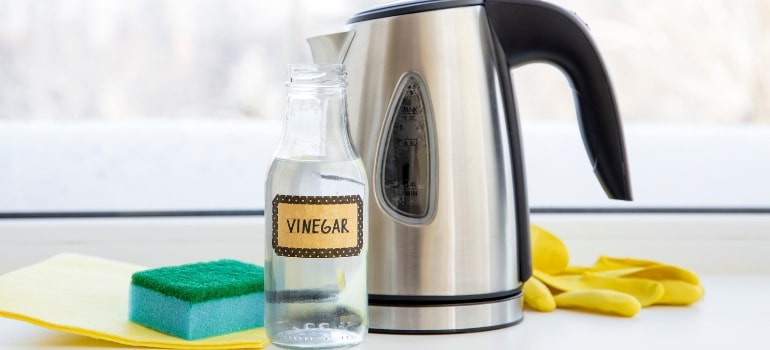
Mix equal parts of white vinegar and water. Use enough liquid to fill the kettle halfway. This solution will break down the limescale inside.
Fill The Kettle
Pour the vinegar solution into the kettle. Fill it to the halfway mark or cover the limescale spots. Avoid overfilling to prevent spills.
Boil The Solution
Turn on the kettle and let it boil. The heat helps the vinegar dissolve the scale faster. Once boiled, turn off the kettle.
Let It Sit
Leave the solution inside for 20 to 30 minutes. This resting time loosens stubborn deposits. Do not rush this step for best results.
Scrub The Inside
Use a soft brush or sponge to scrub gently. Focus on areas with visible scale. The vinegar will have softened the buildup.
Rinse Thoroughly
Empty the kettle and rinse it well with fresh water. Repeat rinsing to remove all vinegar smell and taste. Your kettle is now clean and ready to use.

Credit: emergencegrowth.com
Tips To Prevent Future Scale Build-up
Preventing scale build-up keeps your kettle clean and working well. Simple habits help stop hard water deposits. These tips save time and avoid frequent descaling. Follow easy steps to protect your kettle.
Use Filtered Or Softened Water
Hard water causes scale faster. Use filtered or softened water to reduce minerals. This lowers scale build-up inside the kettle. It keeps your kettle clean longer.
Empty Kettle After Use
Don’t leave water sitting in the kettle. Empty it after each use. Standing water leaves minerals that form scale. Dry inside the kettle with a cloth if possible.
Clean Regularly With Lemon Juice
Clean your kettle every few weeks. Use lemon juice to remove light deposits. It prevents thick scale from forming. Regular cleaning keeps your kettle fresh.
Avoid Boiling More Water Than Needed
Boil only the water you will use. Extra water increases mineral build-up. Smaller amounts reduce scale formation. This also saves energy and time.
Wipe The Kettle Exterior Often
Wipe the outside to remove mineral spots. Use a damp cloth after each use. It keeps your kettle looking new. Prevents hard water stains on the surface.
Frequently Asked Questions
How Does Lemon Juice Help Descale A Kettle?
Lemon juice contains natural acid that breaks down mineral buildup inside kettles. It cleans effectively and leaves a fresh scent. Safe for most kettle types.
Can Vinegar Damage My Kettle During Descaling?
Vinegar is safe for most kettles but avoid strong concentrations. Use diluted vinegar to prevent corrosion or damage. Rinse well after descaling.
How Long Should I Soak My Kettle In Lemon Juice?
Soak the kettle for about 30 minutes to 1 hour. This time helps loosen the limescale for easy removal. Longer soaking may improve results.
Is It Safe To Drink Water After Descaling With Vinegar?
Always rinse the kettle thoroughly after descaling with vinegar. Boil fresh water once or twice before drinking. This removes any vinegar taste or smell.
Can I Use Lemon Juice And Vinegar Together To Descale?
Using lemon juice and vinegar together is not recommended. Their acids may react and create strong smells. Use one method at a time for best results.
Conclusion
Descaling your kettle keeps it clean and working well. Lemon juice and vinegar remove limescale safely and naturally. This method saves money and avoids harsh chemicals. Regular cleaning stops build-up and keeps water tasting fresh. Try this easy process every few weeks for best results.
Your kettle will last longer and boil water faster. Simple steps, clear benefits. Give your kettle the care it needs today.