Easy Steps for How to Use a Kettle Right Every Time
Mastering your kettle is simpler than you think! This guide provides easy-to-follow steps for both electric and stovetop models, ensuring you get perfectly boiled water safely every time. Learn about proper filling, crucial safety precautions, efficient boiling techniques, and essential cleaning tips to keep your kettle in top condition. With these insights, you’ll be enjoying hot beverages and meals with minimal fuss.
Welcome to the ultimate guide on how to use a kettle! Whether you’re a morning coffee enthusiast, a dedicated tea drinker, or just someone who needs hot water quickly, your kettle is an indispensable kitchen tool. It might seem like the simplest appliance to use, but there are always little tips and tricks that can make your experience safer, more efficient, and even extend the life of your beloved kettle.
In this comprehensive guide, we’ll walk you through everything you need to know about using a kettle. We’ll cover the different types, essential safety precautions, step-by-step instructions for both electric and stovetop models, practical tips for optimal use, and even some common troubleshooting advice. By the end, you’ll be a kettle connoisseur, boiling water perfectly every single time. Let’s dive in and learn how to use a kettle right!
Key Takeaways
- Safety First: Always prioritize safety by placing your kettle on a stable, heat-resistant surface away from edges and ensuring electrical components are dry before use.
- Fill Correctly: Fill your kettle between the minimum and maximum markers, using only the amount of water you need to save energy and time.
- Choose Your Kettle Type: Understand the differences between electric kettles (fast, automatic shut-off) and stovetop kettles (classic, whistle alert) to use each effectively.
- Mind the Temperature: For specialized beverages, consider using kettles with variable temperature settings to achieve optimal results and prevent scorching.
- Regular Cleaning is Crucial: Prevent limescale buildup and maintain efficiency by regularly cleaning and descaling your kettle, which also helps extend its lifespan.
- Pour with Care: Always pour hot water slowly and steadily, keeping the lid securely closed, to avoid splashes and burns.
Quick Answers to Common Questions
Should I empty water from my kettle after each use?
While not strictly necessary, it’s a good habit to empty your kettle after each use. This prevents mineral buildup (limescale) and ensures you’re always boiling fresh water, which can taste better.
Can I boil milk in a kettle?
It’s generally not recommended to boil milk or any other liquids besides water in a standard kettle. Milk can burn onto the heating element, be difficult to clean, and potentially damage the kettle or affect future water taste.
How do I know if my kettle needs descaling?
You’ll notice white, chalky deposits inside the kettle, especially on the heating element. The boiling time might also increase, and you might see flakes in your boiled water. These are clear signs it’s time to descale.
Is it okay to leave an electric kettle plugged in all the time?
While most modern electric kettles are safe to leave plugged in, it’s generally best practice to unplug them when not in use. This reduces any minimal “phantom load” power consumption and removes the slight risk of electrical issues.
What’s the best way to clean the outside of my kettle?
For the exterior, simply wipe it down with a damp cloth and a mild detergent if needed. Avoid abrasive cleaners or scouring pads, especially on stainless steel or painted surfaces, as they can scratch or dull the finish.
Understanding Your Kettle
Before we get to the boiling point, it’s good to know a little about the different kinds of kettles out there. While the basic function is the same – heating water – the methods and features can vary significantly. Understanding your specific kettle type will help you use it more effectively and safely.
Electric Kettles
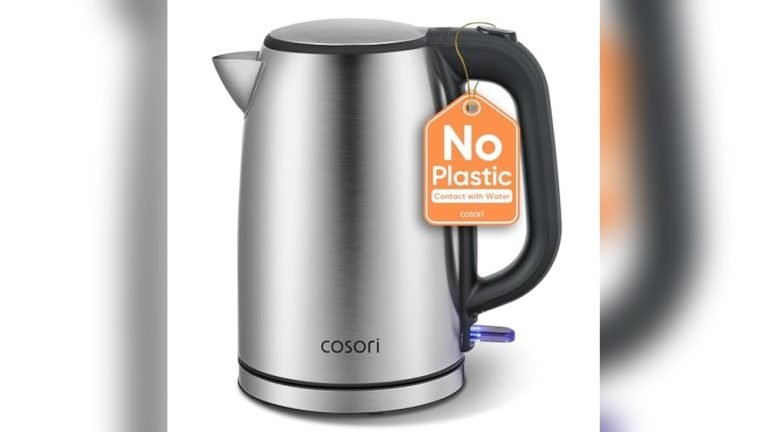
Electric kettles are incredibly popular for their speed and convenience. They usually consist of a jug, often cordless, that sits on a power base. Inside, a heating element quickly brings water to a boil. Most electric kettles have an automatic shut-off feature, which is a fantastic safety and convenience bonus, as well as a water level indicator. Some advanced electric kettles even come with variable temperature settings, allowing you to heat water to specific temperatures perfect for different teas or pour-over coffee.
Stovetop Kettles
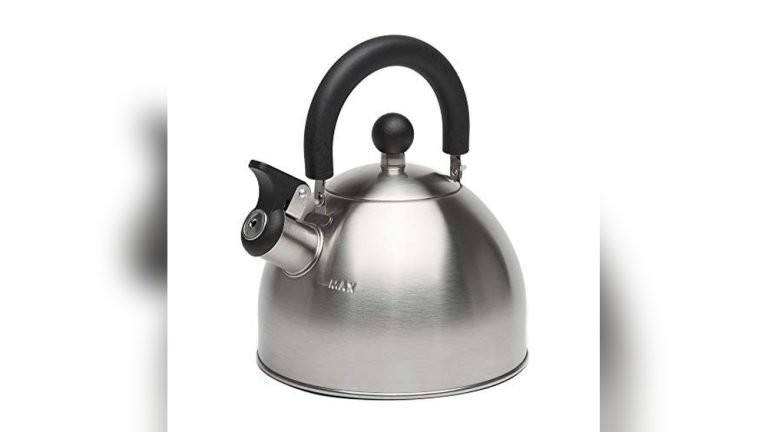
The classic stovetop kettle, often made of stainless steel or enamel, is what many people picture when they think of a kettle. These kettles are placed directly on a hob (gas, electric, or induction) to heat. Their defining feature is usually a whistle that sounds when the water reaches a rolling boil, alerting you that it’s ready. Stovetop kettles are often chosen for their aesthetic appeal and durability. For those interested in traditional methods, learning how to use a cast iron tea kettle involves similar principles, though specific care for the material is important.
Gooseneck Kettles
While often electric, gooseneck kettles deserve a special mention. They are characterized by their long, slender spout designed for precise pouring. These are particularly favored by coffee lovers for pour-over brewing, where control over the water flow is crucial. Many gooseneck kettles also feature variable temperature control, making them very versatile.
Essential Safety First

Visual guide about Easy Steps for How to Use a Kettle Right Every Time
Image source: yourcoffeeandtea.com
No matter what type of kettle you own, safety should always be your top priority. Boiling water is hot, and kettles involve either electricity or a direct heat source. A few simple precautions can prevent accidents and ensure a smooth experience.
Read the Manual
It might sound obvious, but always start by reading the instruction manual that came with your kettle. It contains specific safety warnings, usage instructions, and care guidelines unique to your model.
Placement and Stability
Always place your kettle on a flat, stable, heat-resistant surface. Ensure it’s away from the edge of the counter where it could be knocked over, and far from children’s reach. For stovetop kettles, ensure the handle is not positioned over an adjacent burner or extended too far from the stove.
Electrical Safety (for Electric Kettles)
Before plugging in your electric kettle, make sure your hands are dry and the power cord and base are free from water. Never immerse the kettle base or cord in water. If the cord is frayed or damaged, do not use the kettle and consider replacing it. Always plug the kettle into a grounded outlet.
Heat Safety (for Stovetop Kettles)
When using a stovetop kettle, remember that the kettle itself, especially the bottom and spout, will become very hot. Use oven mitts or a pot holder to handle the kettle, particularly when pouring. Be mindful of steam escaping from the spout, which can cause severe burns.
Step-by-Step: Using an Electric Kettle

Visual guide about Easy Steps for How to Use a Kettle Right Every Time
Image source: homesguide.co.uk
Electric kettles are incredibly straightforward, making them a popular choice for daily use. Here’s how to use a kettle effectively and safely.
Step 1: Check the Kettle’s Condition
Before you start, quickly inspect your kettle. Is it clean? Are there any signs of damage? If it’s been a while since you last used it, it’s good practice to give it a quick rinse. Make sure the inside is free from any debris.
Step 2: Fill with Water
Open the lid and fill your kettle with fresh, cold tap water. It’s best to use cold water as it generally boils faster than hot tap water and tastes better. Pay close attention to the minimum and maximum fill lines inside your kettle.
The Right Amount of Water
Filling below the minimum line can cause the kettle to boil dry, potentially damaging the heating element. Filling above the maximum line can lead to boiling water overflowing, which is a serious burn hazard and can damage the electrical base. Only fill the kettle with the amount of water you need. This saves energy and can reduce how long a kettle takes to boil.
Step 3: Place on Base and Power Up
Once filled, close the lid securely. Place the kettle firmly onto its power base. Ensure it’s seated correctly. Then, plug the power cord into a wall outlet.
Step 4: Press the Power Button
Most electric kettles have a simple on/off switch, often located on the handle or near the base. Press this button to start the heating process. Many kettles will illuminate a light to indicate that they are on.
Step 5: Wait for Boiling
Now, simply wait. The kettle will begin to heat the water. You’ll hear a humming sound, which will grow louder as the water heats up, eventually leading to a vigorous bubbling noise as it reaches a rolling boil. Once the water is boiled, most electric kettles will automatically shut off and the indicator light will extinguish. This is one of the best features of an electric kettle, as it prevents over-boiling and ensures safety.
Step 6: Pour Safely
Once the kettle has switched off, carefully lift it from its base. Hold the handle firmly and pour the hot water slowly and steadily into your cup, mug, or pot. Always keep the lid closed while pouring to prevent steam burns and ensure hot water doesn’t splash out unexpectedly. Be mindful of residual steam that may escape after pouring.
Step 7: Unplug and Store
After use, it’s a good habit to unplug the kettle from the wall socket, especially if you won’t be using it again for a while. Allow the kettle to cool down before storing it. It’s generally best to empty any leftover water, though some people leave a small amount in if they plan to use it again soon.
Step-by-Step: Using a Stovetop Kettle
Using a stovetop kettle offers a classic experience, often accompanied by that satisfying whistle. Here’s how to use this type of kettle.
Step 1: Check the Kettle’s Condition
Just like with an electric kettle, give your stovetop kettle a quick check. Ensure it’s clean inside and out, and that the handle is secure. Make sure the whistle mechanism is clear and functional if your kettle has one.
Step 2: Fill with Water
Open the lid or spout cap and fill your kettle with fresh, cold water. Again, mind the fill lines. Overfilling can cause water to boil out of the spout, and underfilling could damage the kettle if it boils dry, especially on high heat. If you’re using a traditional whistling kettle, make sure the water level is below the spout opening to allow the whistle to function correctly.
Step 3: Place on Stovetop
Close the lid and, if your kettle has one, ensure the whistle cap is properly seated. Place the kettle securely on a burner. Make sure the burner size matches the base of the kettle as closely as possible for efficient heating. If you have a gas stove, ensure flames do not extend beyond the kettle’s base, which can damage the handle.
Step 4: Turn on Heat
Turn the stovetop burner to a medium-high or high setting. For faster boiling, higher heat is usually preferred, but always keep an eye on it. The goal is to heat the water to boiling point.
Step 5: Listen for the Whistle
This is the hallmark of a stovetop kettle! As the water heats and then boils, steam will be forced through the whistle mechanism on the spout, creating a distinct sound. Once you hear a strong, steady whistle, your water is boiled and ready. This sound is your cue to act.
Step 6: Turn Off Heat and Pour Safely
Immediately turn off the burner once the kettle whistles. Using an oven mitt or pot holder, carefully grasp the handle and remove the kettle from the hot burner. Be extra cautious of the steam escaping from the spout. Some kettles have a lever to open the whistle cap; activate this before pouring. Then, pour the hot water slowly and carefully.
Step 7: Allow to Cool
Let the kettle cool down completely on a heat-resistant surface before touching any hot parts or cleaning it. Always ensure the kettle is fully cooled before storing it away.
Tips for Optimal Kettle Use
Beyond the basic steps, a few simple tips can enhance your kettle experience and prolong its life.
The Right Amount of Water
Always remember the golden rule: only boil as much water as you need. This not only saves electricity or gas but also speeds up the boiling process. Boiling a full kettle for just one cup of tea is wasteful.
Water Quality Matters
Using filtered water can significantly improve the taste of your beverages and also reduce the buildup of limescale inside your kettle, especially if you live in an area with hard water.
Mind the Temperature (for Variable Temp Kettles)
If your electric kettle has temperature control, use it! Different beverages thrive at different temperatures:
- Green Tea: 175°F (80°C)
- White Tea: 175°F (80°C)
- Oolong Tea: 190°F (88°C)
- Black Tea: 200-212°F (93-100°C)
- Coffee (Pour-Over): 200-205°F (93-96°C)
Boiling water to the exact temperature not only preserves the delicate flavors of your tea or coffee but also prevents scorching.
Regular Cleaning and Descaling
This is perhaps one of the most important tips for maintaining your kettle. Over time, mineral deposits (limescale) can build up inside your kettle, especially in hard water areas. This scale can make your kettle less efficient, slow down boiling, and even affect the taste of your water. Regularly cleaning and knowing how to clean a water kettle is essential. You should aim to descale your kettle every 1-3 months depending on your water hardness.
Don’t Overfill or Underfill
We’ve mentioned this in the steps, but it bears repeating. Always respect the minimum and maximum fill lines. Overfilling risks dangerous hot water overflow, while underfilling can damage the heating element of an electric kettle.
Choosing the Right Kettle
If you’re in the market for a new kettle, consider your needs. Do you need a fast electric kettle for your office? Or a durable stovetop model for your home? Researching which kettle is good for home use can help you make an informed decision based on features like capacity, material, temperature control, and design.
Troubleshooting Common Kettle Issues
Even with the best care, you might encounter a few hiccups with your kettle. Here are some common problems and their quick fixes.
Kettle Not Turning On
If your electric kettle isn’t responding, first check if it’s securely plugged into the outlet and if the outlet itself is working (try plugging in another appliance). Ensure the kettle is properly seated on its power base. If the kettle still doesn’t turn on, the fuse in the plug might need replacing, or the kettle might have an internal fault requiring professional repair or replacement.
Water Not Heating
This can often be related to the above point – a power issue. However, if the power light is on but the water isn’t heating, your kettle might have a faulty heating element or thermostat. For a stovetop kettle, ensure the burner is on and providing sufficient heat, and that the kettle is placed flat on the burner.
Slow Boiling Time
A common culprit for slow boiling, especially in electric kettles, is limescale buildup. A thick layer of scale insulates the heating element, making it work harder and longer. Descaling your kettle will almost certainly fix this. Another factor could be voltage issues or simply using too much water for your kettle’s power. If your kettle seems to take a long time to boil, check your user manual for expected boiling times or consider if it’s time for a good clean.
Strange Noises or Smells
New kettles can sometimes emit a slight plastic smell which usually dissipates after a few uses. If you notice persistent burning smells, immediately unplug an electric kettle and discontinue use. For unusual noises beyond the normal boiling sounds, it could be mineral deposits (limescale) dislodging, which is usually harmless but indicates a need for descaling. However, any grinding or unusual electrical sounds in an electric kettle warrant immediate discontinuation of use.
Limescale Buildup
As mentioned, limescale is a common issue. If you notice white, chalky deposits inside your kettle, it’s time to descale it. You can use specialized kettle descalers, or common household items. For example, learning how to descale a kettle with lemon juice and vinegar is a popular and effective natural method. Simply fill the kettle with equal parts white vinegar and water, let it sit for 30 minutes to an hour (or boil and then let it sit), then rinse thoroughly several times to remove any vinegar smell.
Conclusion
Using a kettle effectively and safely is a fundamental skill for any kitchen. By understanding your kettle type, following essential safety guidelines, and mastering the simple steps for filling, boiling, and pouring, you’ll ensure a perfect cup of hot water every time. Remember to keep an eye on maintenance, especially regular cleaning and descaling, to extend your kettle’s lifespan and maintain its performance. So go ahead, boil that water with confidence, and enjoy your perfectly prepared hot beverages and meals!

Natasha, founder of NatashasKitchenTips.com, shares easy, flavorful recipes and practical cooking tips to help home cooks feel confident in the kitchen. With a passion for simple, delicious meals, she inspires readers to cook with joy and creativity every day.